
ATO Lab
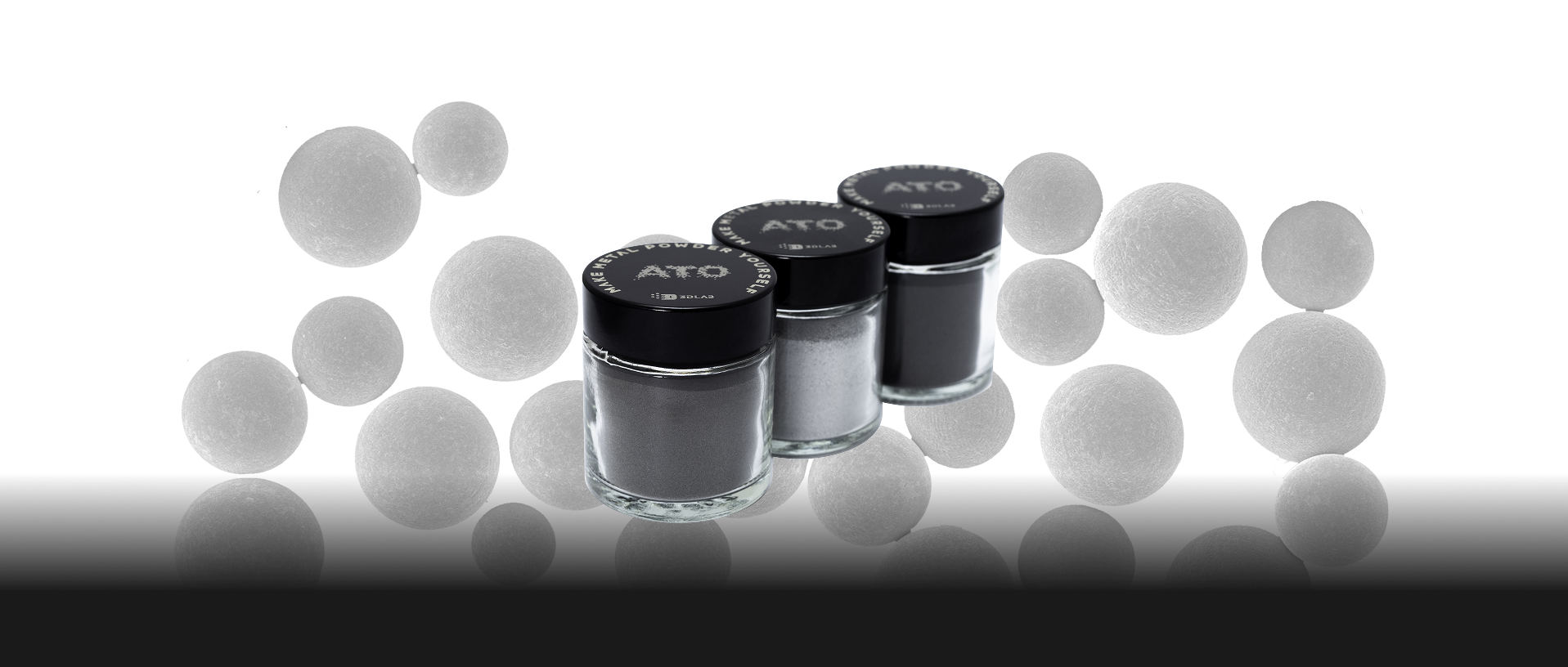
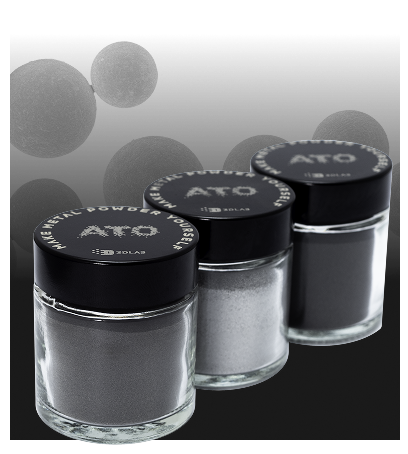
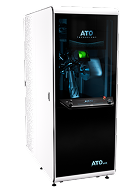
Best for R&D and Small BatchCompact, lab-scale atomizer for research teams. Produce high-quality spherical powder in as little as one day, in a standard lab environment without complex infrastructure.
Dynamism Digital Manufacturing Fast and Professional on-demand 3D Printing Start Printing NowFrom research lab to production floor, there is an ATO system for every scale and application.

Compact, lab-scale atomizer for research teams. Produce high-quality spherical powder in as little as one day, in a standard lab environment without complex infrastructure.

Purpose-built for precious metals. Yet higher recovery rate with closed-loop gas circulation ensures maximum material recovery — every gram counts.

AI-guided setup, Plasma melting source control, and remote operation for scalable, repeatable output. Run multiple units simultaneously for high-volume production.

Custom alloy production for mission-critical components with full material traceability.

Biocompatible powder for implants and surgical instruments requiring strict purity.

Gold, silver, platinum, and palladium production with maximum material recovery.

University labs developing new powder formulations without supplier constraints.

Contract manufacturers running LPBF, SLM, DED, or binder jetting.

Specialized alloy powders with unique electrical or thermal properties.

Producing components that resist wear and corrosion typically means turning to expensive, scarce alloys. AZTERLAN needed a way to protect common iron castings instead, without the surface damage that direct laser treatment causes.

Commercial metal powder cames with real limits: restricted chemistry, inconsistent particle properties, high costs, long lead times, and no way to recycle unused material. REMET needed a faster, more independent path.

FZU's fundamental materials research and its industrial additive manufacturing work were operating separately. FZU needed a way to connect microscopic-level research directly to real, manufactured materials.
Frequently Asked Questions
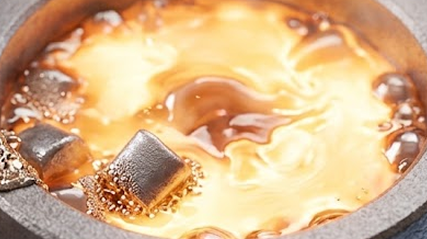
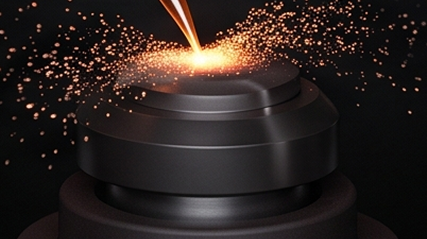
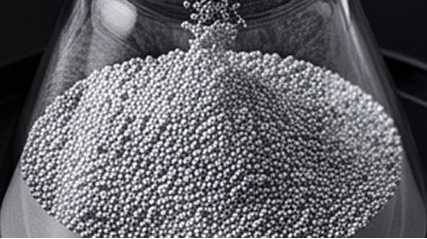
A metal atomizer converts bulk metal into fine spherical powder using high-frequency ultrasonic vibration. Metal is melted and fed onto an ultrasonic transducer, where vibration breaks the liquid metal into uniform droplets that solidify into near-perfect spheres — ready for use in metal 3D printing, powder metallurgy, and advanced manufacturing applications.
In-house atomization gives manufacturers full control over alloy composition, particle size distribution, and production timing. It eliminates supply chain dependency, reduces per-kilogram cost at scale, enables custom and non-standard alloy development, and allows recycling of metal scrap back into usable powder.
ATO systems support a wide range of reactive and non-reactive metals including stainless steel, titanium, Inconel, aluminum, copper, nickel-based alloys, gold, silver, platinum, palladium, tungsten, molybdenum, and high-entropy alloys — with melting temperatures up to 3,400°C.
ATO systems produce powder with a particle size range of 20 to 120 µm, covering fine fractions for LPBF (laser powder bed fusion) applications through coarser ranges for DED (directed energy deposition) and other additive manufacturing processes.
The ATO Lab is a compact, modular system designed for research labs and small batch production. The ATO Noble is purpose-built for precious metals — gold, silver, platinum, and palladium — with maximum recovery rate for maximum material recovery. The ATO Sparq is the production-scale system with AI-guided setup, multi-frequency particle size control, and remote operation for high-volume continuous output.
The ATO Lab can produce usable metal powder in just a few minutes from raw feedstock — significantly faster than waiting for powder delivery from a third-party supplier.
Yes. ATO systems produce powder with high sphericity, low oxygen content, and tight particle size distribution — all critical for aerospace and defense AM applications. The ability to produce custom alloys and maintain full material traceability makes ATO systems well suited for regulated industries.
Yes — ATO systems support closed-loop recycling. Unused metal scrap, failed prints, or recycled material can be re-atomized into fresh usable powder, reducing material waste and improving the overall economics of your metal AM operation.
Everything You Need to Know About Metal Atomization
From research lab to production floor, there is an ATO system for every scale and application.

Compact, lab-scale atomizer for research teams. Produce high-quality spherical powder in as little as one day, in a standard lab environment without complex infrastructure.

Purpose-built for precious metals. Yet higher recovery rate with closed-loop gas circulation ensures maximum material recovery — every gram counts.

AI-guided setup, multi-frequency PSD control, and remote operation for scalable, repeatable output. Run multiple units simultaneously for high-volume production.

Custom alloy production for mission-critical components with full material traceability.

Biocompatible powder for implants and surgical instruments requiring strict purity.

Gold, silver, platinum, and palladium production with maximum material recovery.

University labs developing new powder formulations without supplier constraints.

Contract manufacturers running LPBF, SLM, DED, or binder jetting.

Specialized alloy powders with unique electrical or thermal properties.

Producing components that resist wear and corrosion typically means turning to expensive, scarce alloys. AZTERLAN needed a way to protect common iron castings instead, without the surface damage that direct laser treatment causes.

Commercial metal powder cames with real limits: restricted chemistry, inconsistent particle properties, high costs, long lead times, and no way to recycle unused material. REMET needed a faster, more independent path.

FZU's fundamental materials research and its industrial additive manufacturing work were operating separately. FZU needed a way to connect microscopic-level research directly to real, manufactured materials.
Frequently Asked Questions
A metal atomizer converts bulk metal into fine spherical powder using high-frequency ultrasonic vibration. Metal is melted and fed onto an ultrasonic transducer, where vibration breaks the liquid metal into uniform droplets that solidify into near-perfect spheres — ready for use in metal 3D printing, powder metallurgy, and advanced manufacturing applications.
In-house atomization gives manufacturers full control over alloy composition, particle size distribution, and production timing. It eliminates supply chain dependency, reduces per-kilogram cost at scale, enables custom and non-standard alloy development, and allows recycling of metal scrap back into usable powder.
ATO systems support a wide range of reactive and non-reactive metals including stainless steel, titanium, Inconel, aluminum, copper, nickel-based alloys, gold, silver, platinum, palladium, tungsten, molybdenum, and high-entropy alloys — with melting temperatures up to 3,400°C.
ATO systems produce powder with a particle size range of 20 to 120 µm, covering fine fractions for LPBF (laser powder bed fusion) applications through coarser ranges for DED (directed energy deposition) and other additive manufacturing processes.
The ATO Lab is a compact, modular system designed for research labs and small batch production. The ATO Noble is purpose-built for precious metals — gold, silver, platinum, and palladium — with maximum recovery rate for maximum material recovery. The ATO Sparq is the production-scale system with AI-guided setup, multi-frequency particle size control, and remote operation for high-volume continuous output.
The ATO Lab can produce usable metal powder in just a few minutes from raw feedstock — significantly faster than waiting for powder delivery from a third-party supplier.
Yes. ATO systems produce powder with high sphericity, low oxygen content, and tight particle size distribution — all critical for aerospace and defense AM applications. The ability to produce custom alloys and maintain full material traceability makes ATO systems well suited for regulated industries.
Yes — ATO systems support closed-loop recycling. Unused metal scrap, failed prints, or recycled material can be re-atomized into fresh usable powder, reducing material waste and improving the overall economics of your metal AM operation.
Everything You Need to Know About Metal Atomization
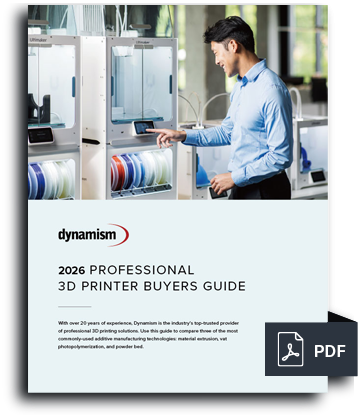
2026 Edition Professional 3D Printer Buyers Guide
Choosing the right 3D printer doesn't have to be difficult. Find the perfect printer for your application. This in-depth guide covers pricing, materials, dimensional accuracy, and more.
Download now