 Leading Tech Since 1997
3D printing presents tremendous benefits over the conventional architectural workflow. Architects and designers can print complex designs with less materials and labor, and rapidly iterate with ease.
A successful transition from CAD model to printable file relies on a baseline understanding of design for 3D printing. This white paper covers how to make smart modeling decisions, from choosing scale to designing for assembly to post-processing, and how to use these strategies in common software ecosystems.
What you will learn:
Dynamism processes your personal data in accordance with the Privacy and Cookie Policy.
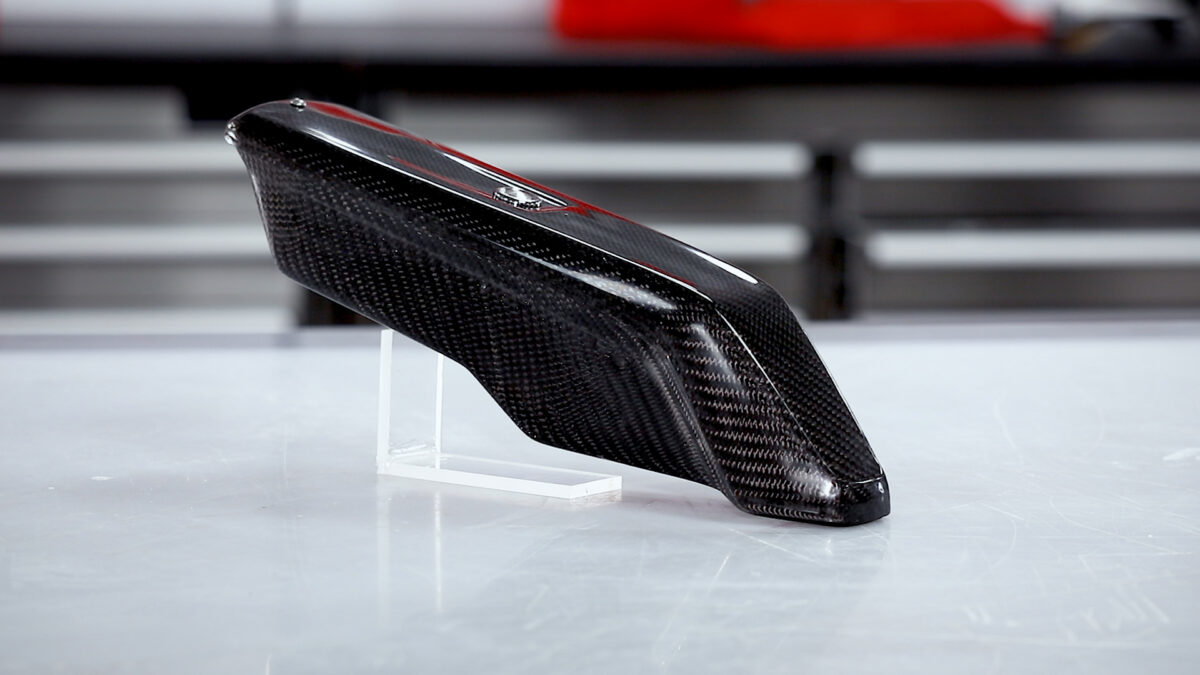
Create Molds Suitable for Ambient Cure Processes Including Wet-Lay-Up, Vacuum Bagging, and Resin Infusion.
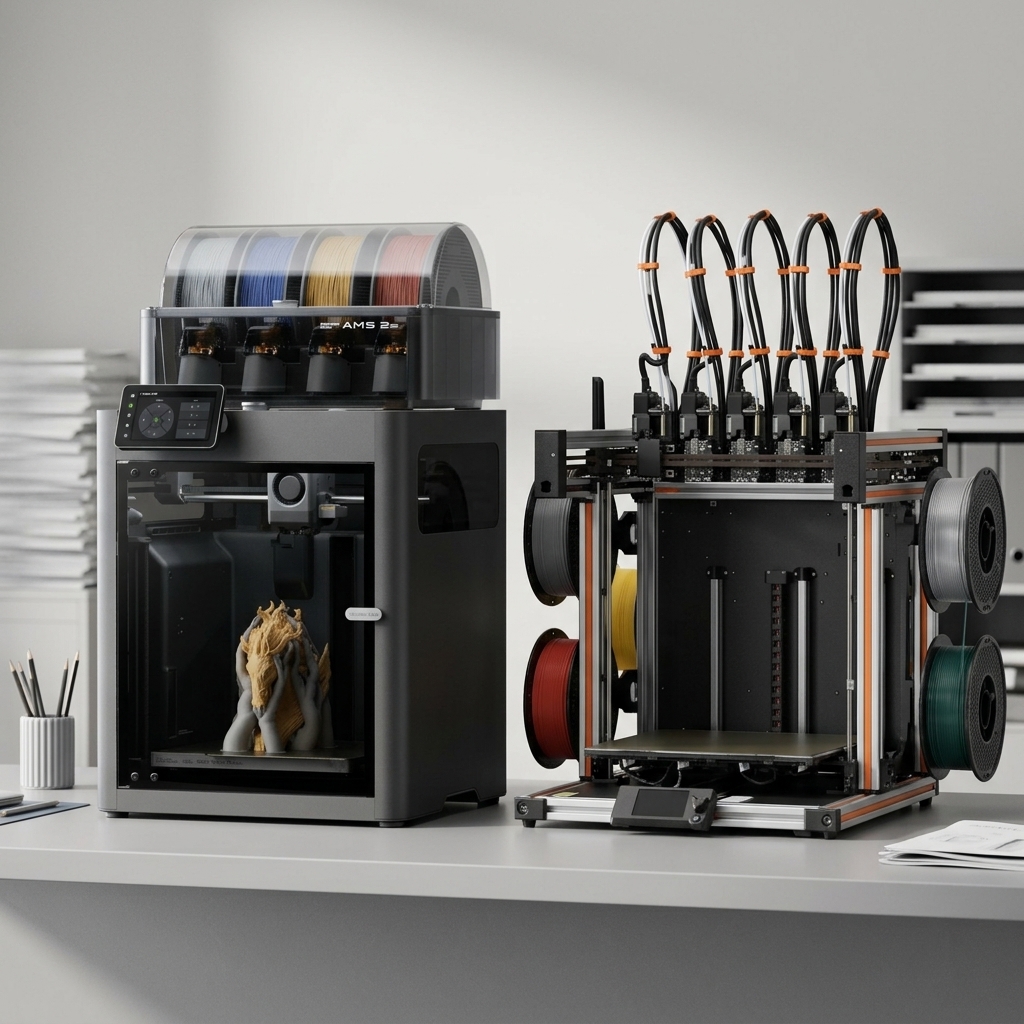
Choosing between Bambu Lab vs Prusa has become the defining decision for anyone entering the desktop 3D printing market in 2026. Bambu Lab vs Prusa: The Two Titans of Desktop 3D Printing Choosing between Bambu Lab vs Prusa has become the defining decision for anyone entering the desktop 3D printing market in 2026. Both manufacturers […]