 Leading Tech Since 1997
3D printing has become a powerful tool for educators looking for innovative technologies to incorporate into their curricula. Not only does 3D printing provide more significant opportunities for learning in science, technology, engineering, art, and mathematics (STEAM) by sparking engagement and encouraging creative thinking, but it also serves as a way for teachers to prepare their students for the future.
Learn how to:
Download This comprehensive guide for information and practical tips on integrating 3D printing technology into the classroom environment.
Dynamism processes your personal data in accordance with the Privacy and Cookie Policy.
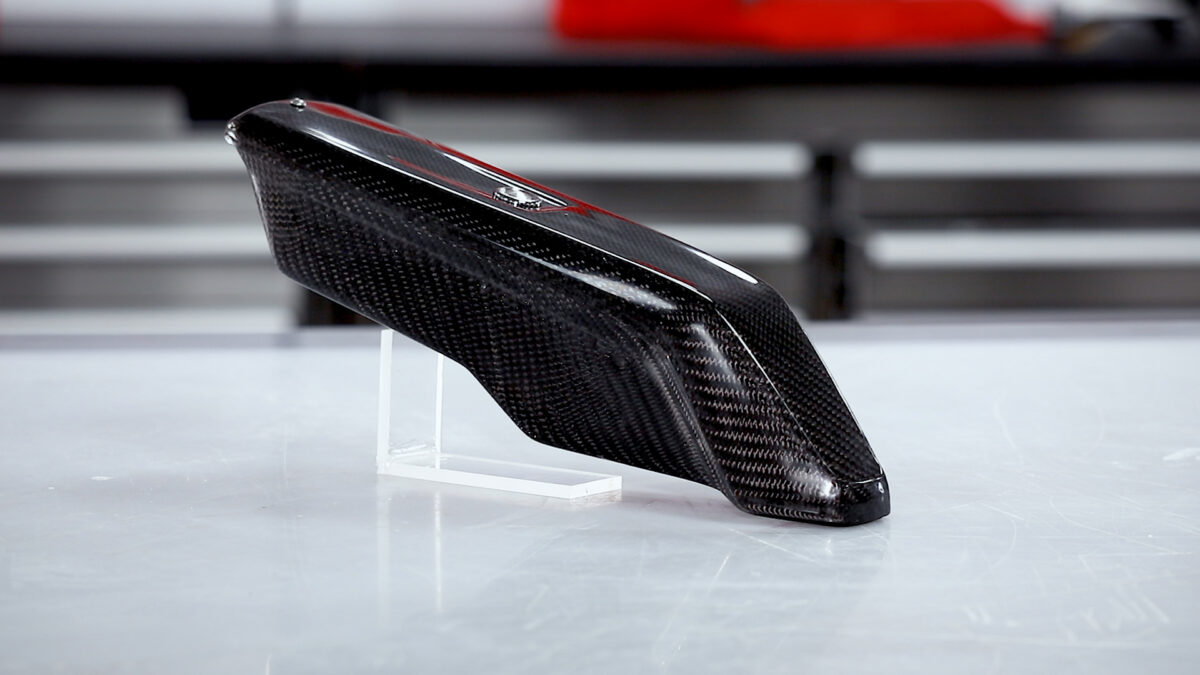
Create Molds Suitable for Ambient Cure Processes Including Wet-Lay-Up, Vacuum Bagging, and Resin Infusion.
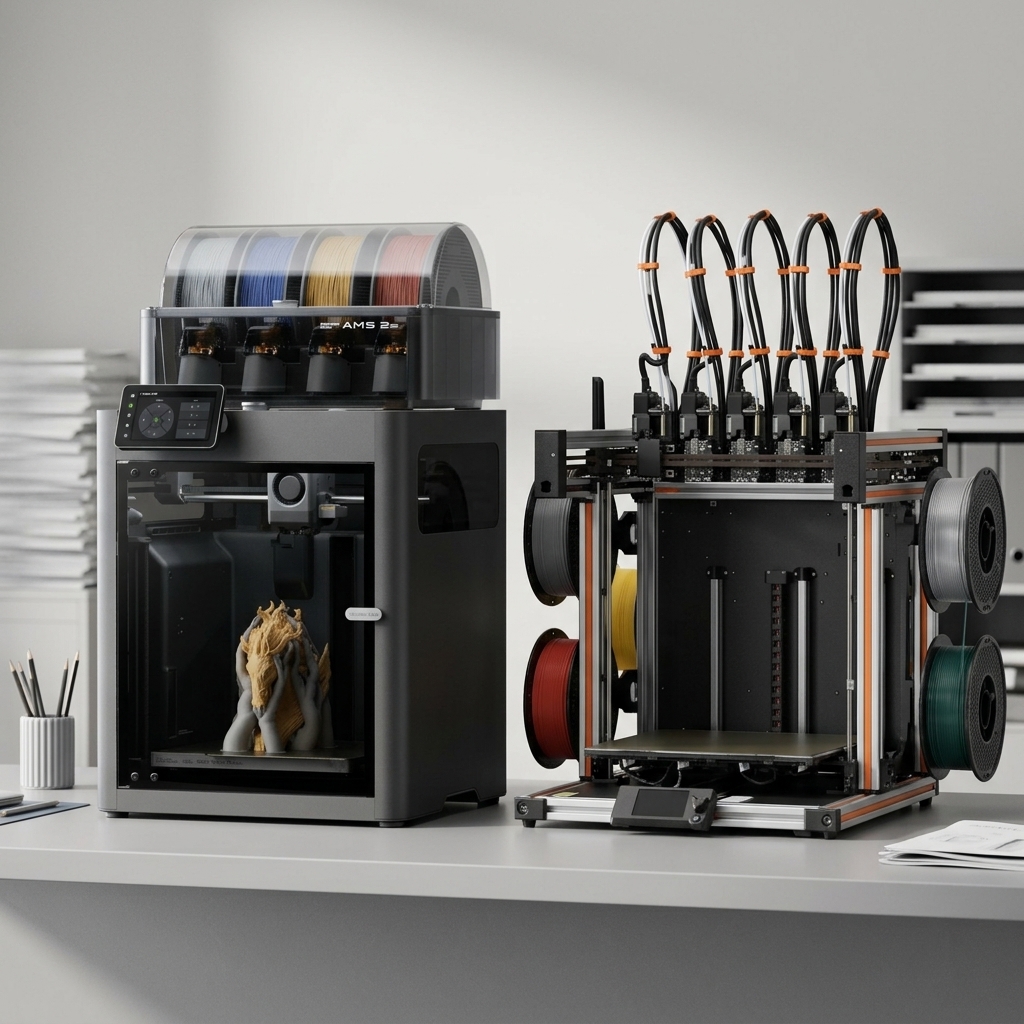
Choosing between Bambu Lab vs Prusa has become the defining decision for anyone entering the desktop 3D printing market in 2026. Bambu Lab vs Prusa: The Two Titans of Desktop 3D Printing Choosing between Bambu Lab vs Prusa has become the defining decision for anyone entering the desktop 3D printing market in 2026. Both manufacturers […]