 Leading Tech Since 1997
Summary: In this guide, we’ll take a look at the role of pressure forming in part validation for product casings, highlighting the technology’s precision, consistent quality, and ability to rapidly iterate. We’ll also take a look at how seamlessly integrating the Mayku Multiplier into your existing operations can reduce delays and result in a faster time to market – keeping your organization effective, efficient, and operational.
Challenge: A Manufacturer faces a problem with validating parts and tooling. Currently, it must activate its entire production line to create one prototype, disrupting normal manufacturing operations. This leads to longer production cycles and slows down the work flow affecting time and cost.
Solution: The Multiplier uses the same tooling process as the customer’s production line, enabling faster validation and exploration. This enables exploring materials and parameters for the perfect outcome and allowing more control in the production process.
Result: Integrating the Multiplier in the product design workflow allows for:
Ready to learn more about how you can integrate the Mayku Multiplier into your factory for the in-house manufacturing of product casings? Download this guide today for a step-by-step process!
Dynamism processes your personal data in accordance with the Privacy and Cookie Policy.
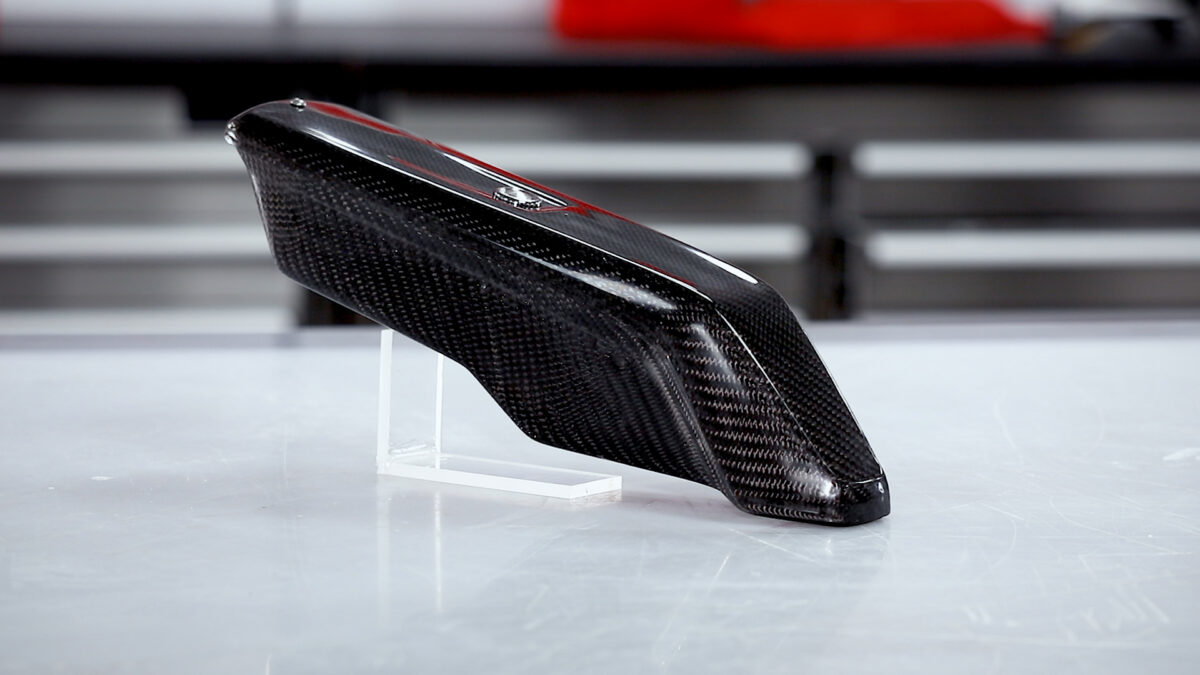
Create Molds Suitable for Ambient Cure Processes Including Wet-Lay-Up, Vacuum Bagging, and Resin Infusion.
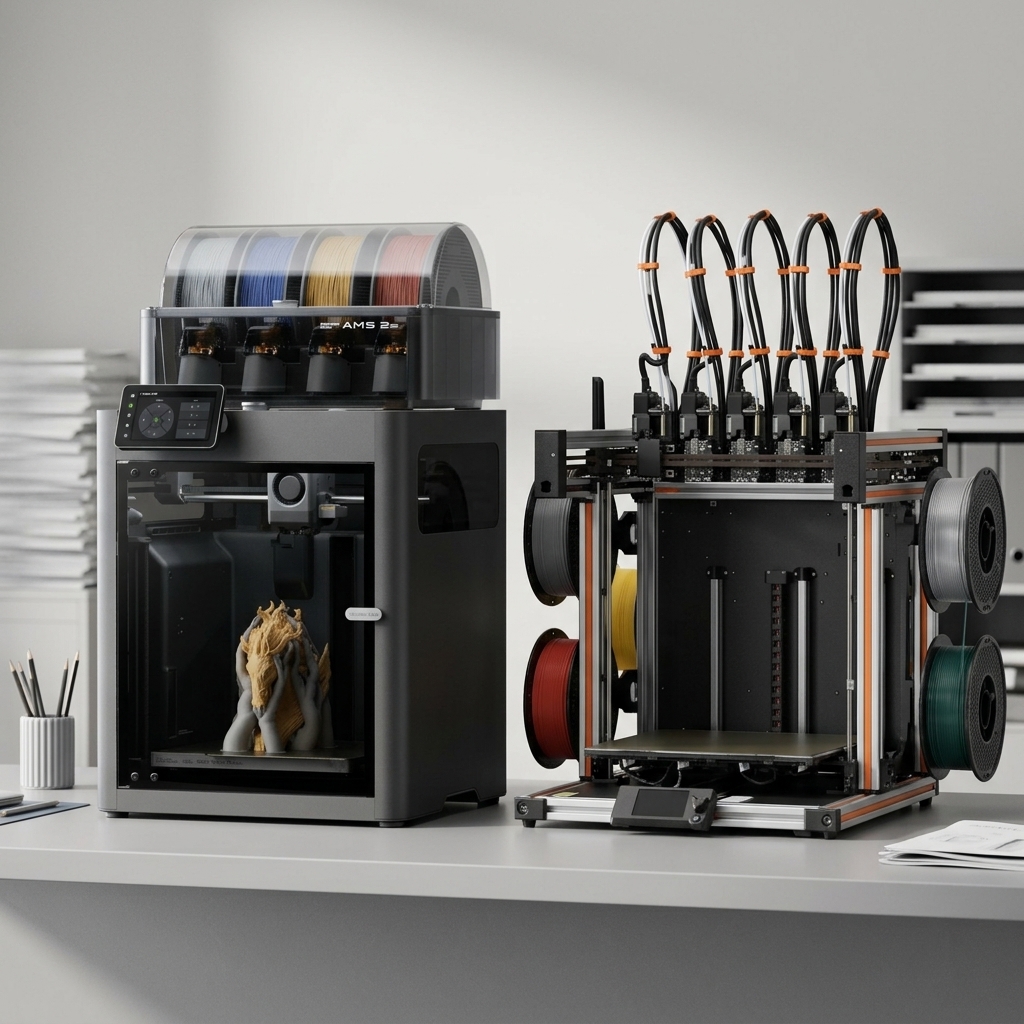
Choosing between Bambu Lab vs Prusa has become the defining decision for anyone entering the desktop 3D printing market in 2026. Bambu Lab vs Prusa: The Two Titans of Desktop 3D Printing Choosing between Bambu Lab vs Prusa has become the defining decision for anyone entering the desktop 3D printing market in 2026. Both manufacturers […]