 Leading Tech Since 1997
A case study by Yale’s Center for Business and the Environment—alongside HILOS, AMT, and BASF Forward AM—highlights how PostPro® vapor smoothing technology was pivotal in revolutionizing 3D-printed footwear production.
Focusing on the HILOS x HELM Emmett slip-on, made using TPU and on-demand 3D printing, the study compares this innovative process to traditional shoemaking.
PostPro®: The Key Enabler
PostPro vapor smoothing played a central role by:
Impact Snapshot 48%
Download now and discover PostPro® vapor smoothing –the foundation of a new, sustainable footwear production model, combining performance, scalability, and circularity.
Dynamism processes your personal data in accordance with the Privacy and Cookie Policy.
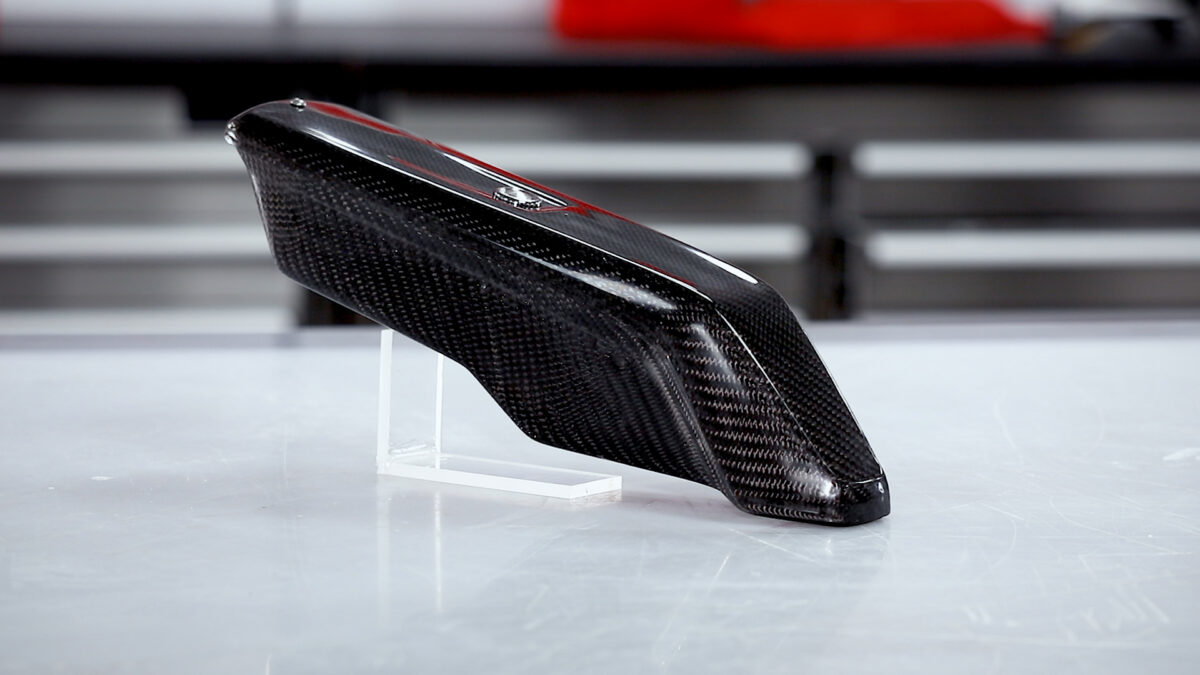
Create Molds Suitable for Ambient Cure Processes Including Wet-Lay-Up, Vacuum Bagging, and Resin Infusion.

Choosing between Bambu Lab vs Prusa has become the defining decision for anyone entering the desktop 3D printing market in 2026. Bambu Lab vs Prusa: The Two Titans of Desktop 3D Printing Choosing between Bambu Lab vs Prusa has become the defining decision for anyone entering the desktop 3D printing market in 2026. Both manufacturers […]