 Leading Tech Since 1997
Summary: In this guide, we’ll discuss the benefits of pressure forming for manufacturing and production environments. We’ll highlight its role in improving productivity, saving costs, ensuring reliability, and enhancing in-house skills. We’ll also examine how pressure forming with the Mayku Multiplier can outperform the traditional manufacturing methods you might find in a production environment.
Challenge: Shielding sensitive equipment from harm is essential, and having stock of these parts is imperative to staying in production. This means having an excess of daily-needed parts on hand, as it can take 2-4 weeks to replenish part inventory. This can be very expensive and cause downtime in production.
Solution: Integrating the Mayku Multiplier into the maintenance workflow canproduce durable replacement covers on-site as needed, conserving inventory space and cutting maintenance expenses.
Result: The shift to the Multiplier workflow presents significant time and cost advantages for manufacturers.
Download this guide today If you’d like to explore more about integrating the Mayku Multiplier in your production environment.
Dynamism processes your personal data in accordance with the Privacy and Cookie Policy.
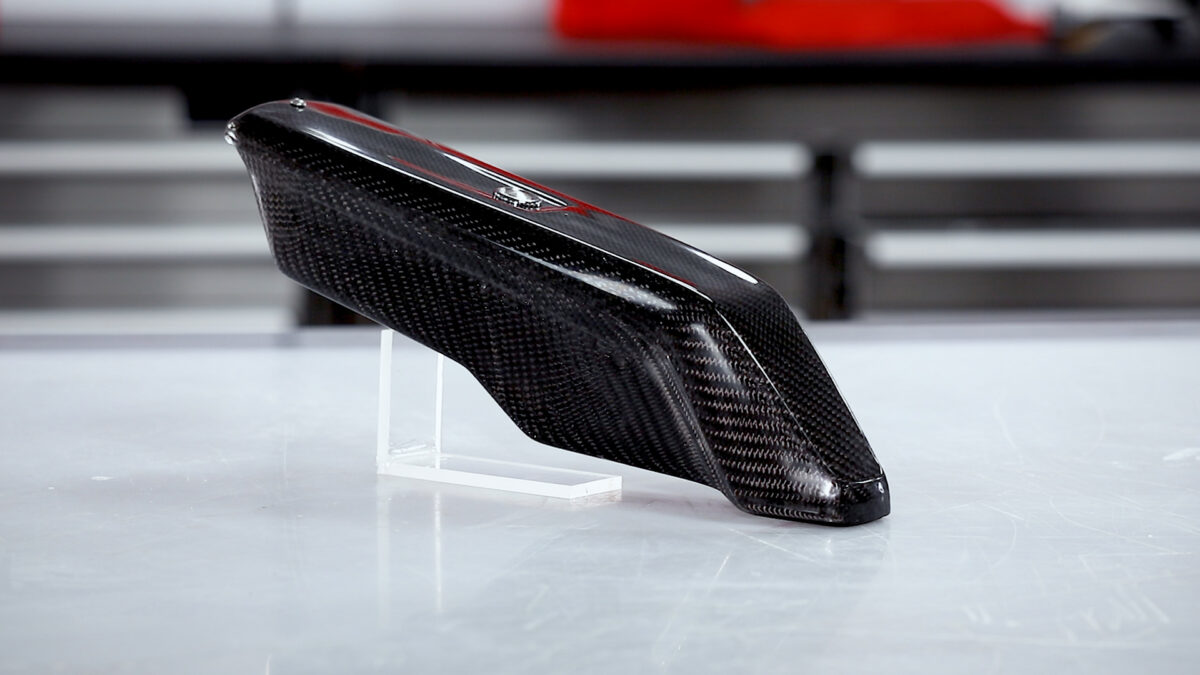
Create Molds Suitable for Ambient Cure Processes Including Wet-Lay-Up, Vacuum Bagging, and Resin Infusion.

Airbus uses UltiMaker 3D printers and Cura software to produce tools, jigs, fixtures, and lightweight composite parts in-house at its European facilities. Here’s why that approach fits aerospace and defense manufacturing.