 Leading Tech Since 1997
Not all 3D scanners are created equal—and choosing the wrong one can mean wasted time, poor data, and higher costs. This guide walks you through the critical factors to consider before making your investment.
Inside, you’ll discover:
Whether you’re buying your first scanner or upgrading to a more advanced solution, this guide will help you cut through the noise and select the best tool for your workflow.
Fill out the form to access the full guide and make your scanner choice with confidence.
Dynamism processes your personal data in accordance with the Privacy and Cookie Policy.
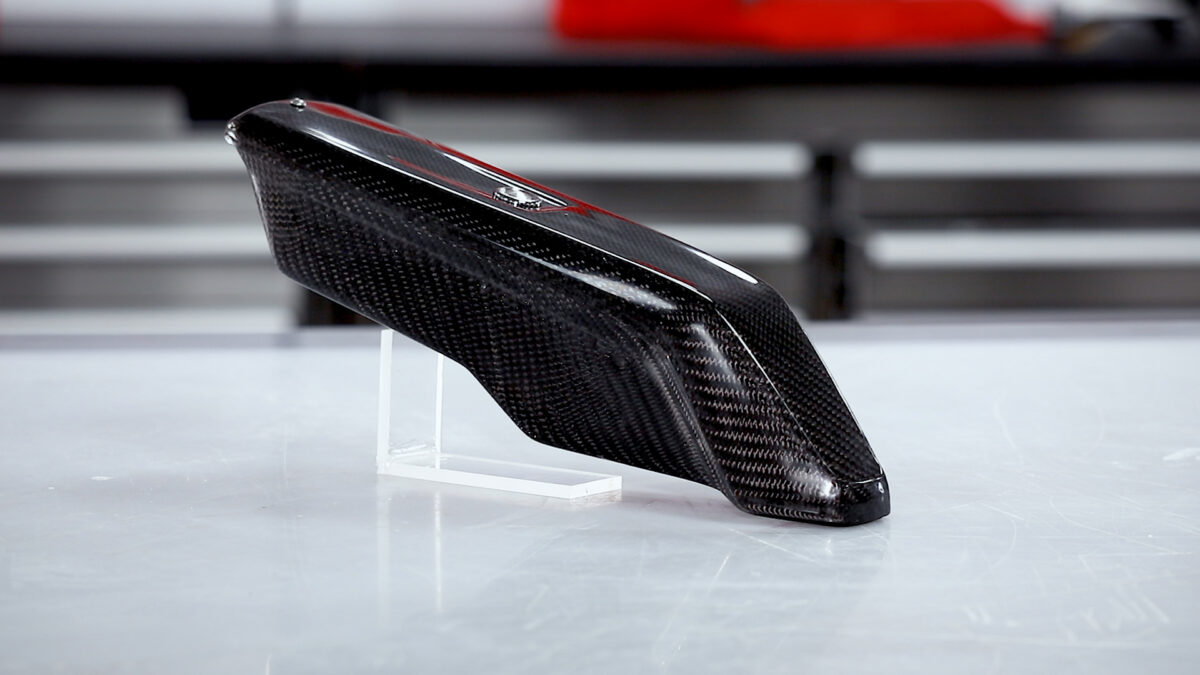
Create Molds Suitable for Ambient Cure Processes Including Wet-Lay-Up, Vacuum Bagging, and Resin Infusion.
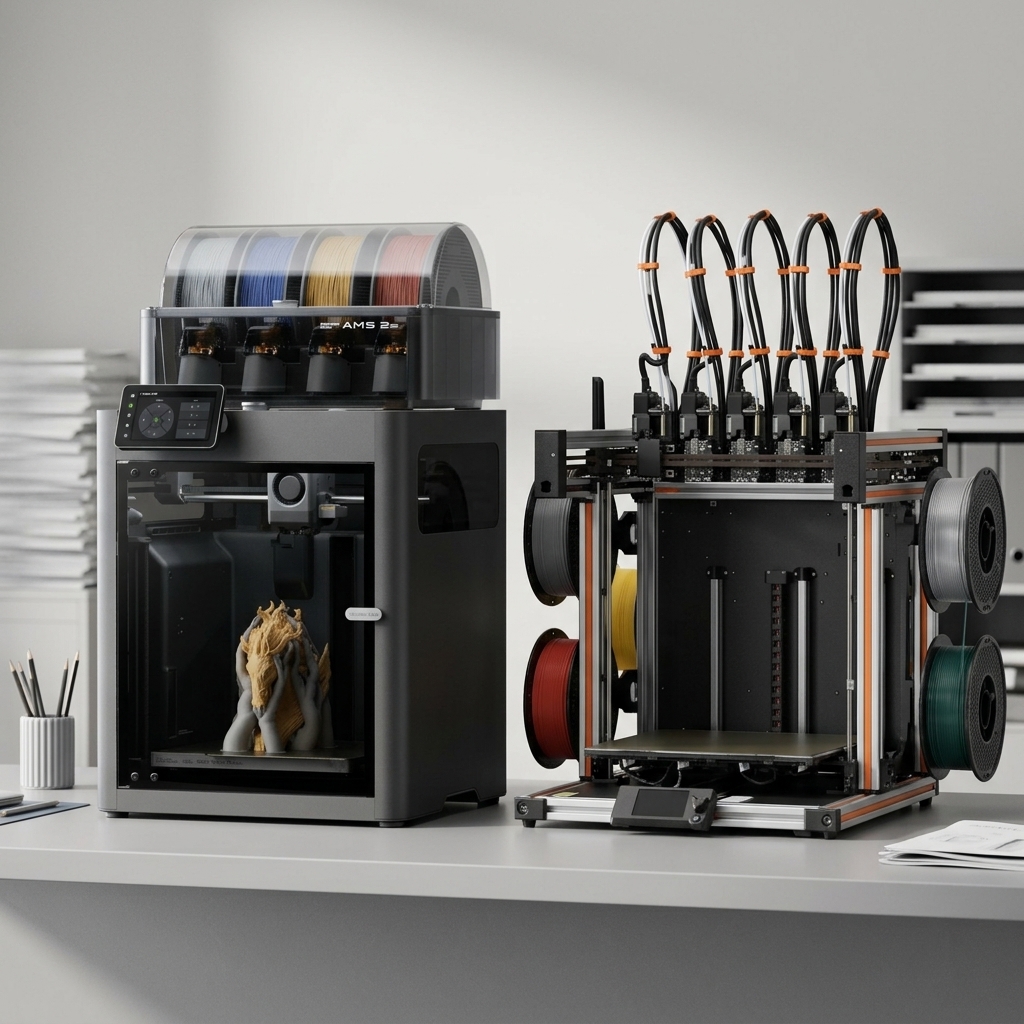
Choosing between Bambu Lab vs Prusa has become the defining decision for anyone entering the desktop 3D printing market in 2026. Bambu Lab vs Prusa: The Two Titans of Desktop 3D Printing Choosing between Bambu Lab vs Prusa has become the defining decision for anyone entering the desktop 3D printing market in 2026. Both manufacturers […]