
Categories
3D Printing Engineering Manufacturing

Formlabs Fuse 1 On-Demand Webinar

Fuse 1 Product and Workflow Overview

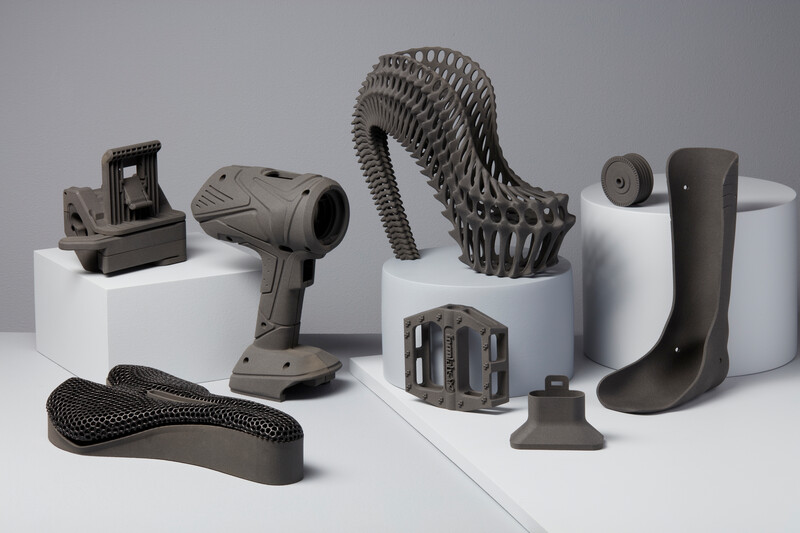
Bring the industrial power of Selective Laser Sintering (SLS) into your workshop with an affordable, compact system for prototyping and production-ready nylon parts. The Fuse 1 and Fuse Sift deliver high-quality parts at as little as a tenth of the cost when compared to competing systems. In this on-demand webinar, we provide an overview of the Formlabs Fuse 1 system, along with detailing a number of applications. Watch now to learn more about:

  • How the Fuse 1 system provides high productivity and throughput, with minimal downtime
  • How Formlabs developed an approach for SLS 3D printing focused on simplifying powder management and delivering consistent parts
  • Potential applications for medical prosthetic devices and low batch production
  • More…

Fill out the form below to watch the webinar!

Image

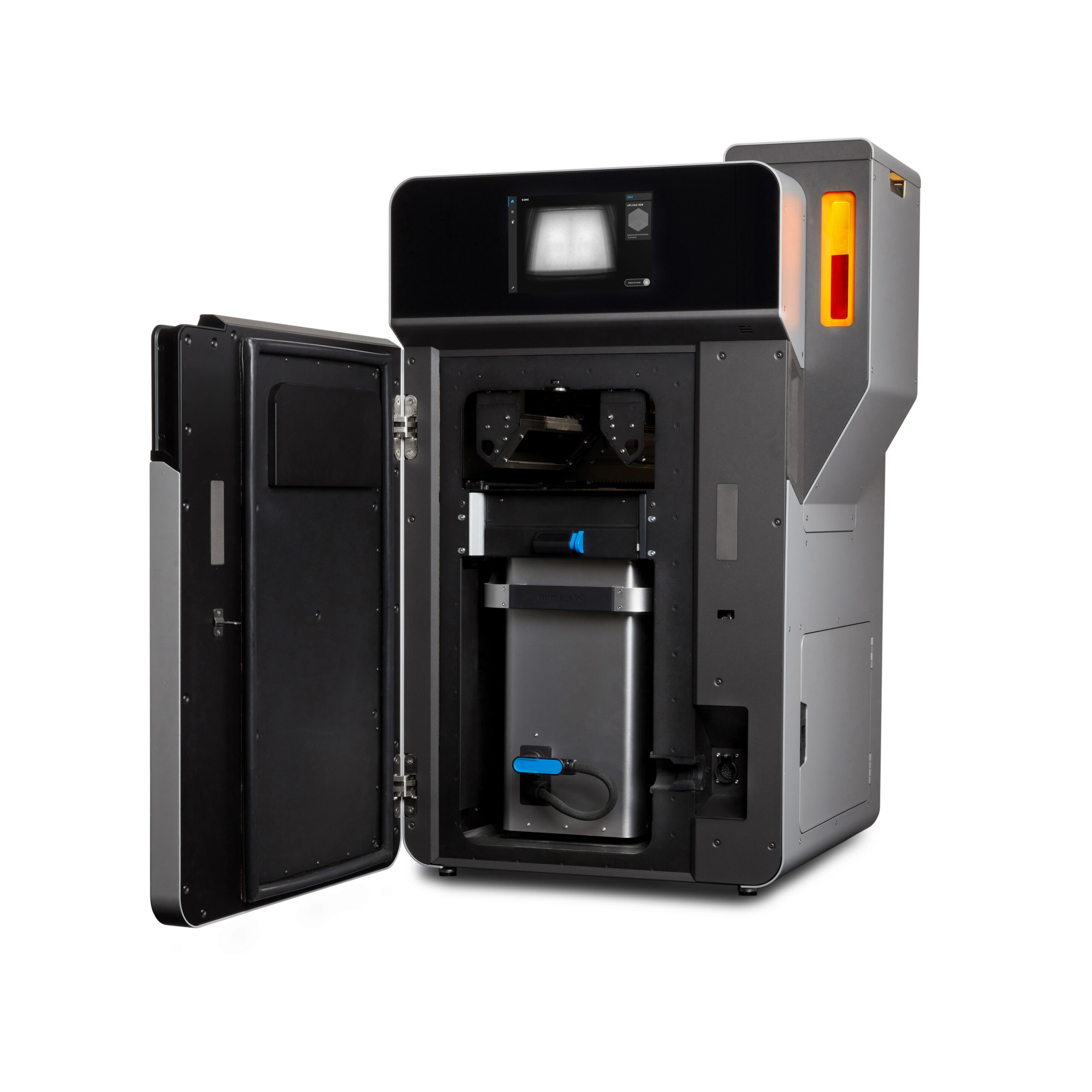
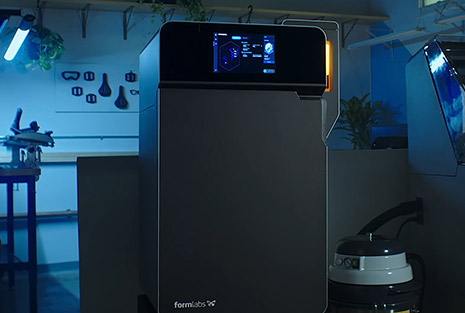
The Fuse 1 brings the industrial power of Selective Laser Sintering (SLS) to your benchtop, providing prototyping and production at a tenth of the cost of existing SLS machines.
Image

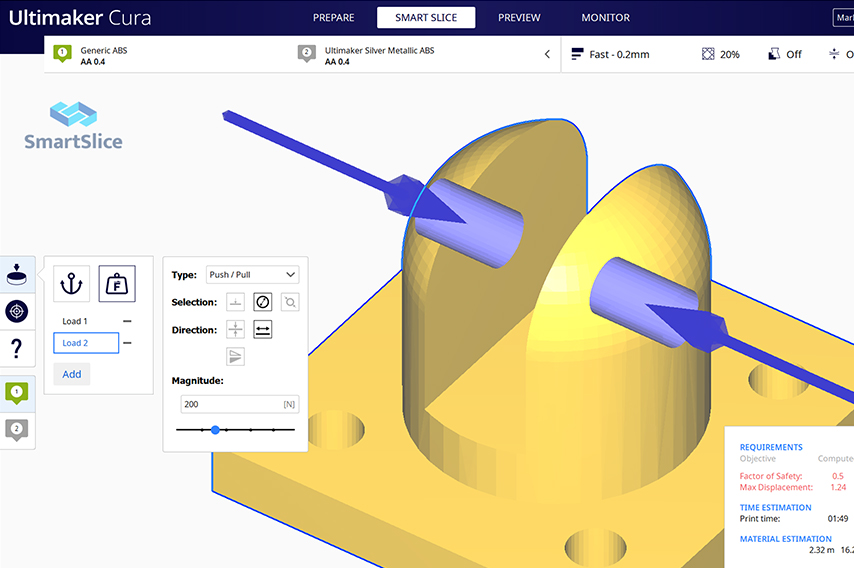
SmartSlice is a plug-in for Ultimaker Cura that empowers users to perform validation and optimization of print parameters based on end-use requirements.
Image

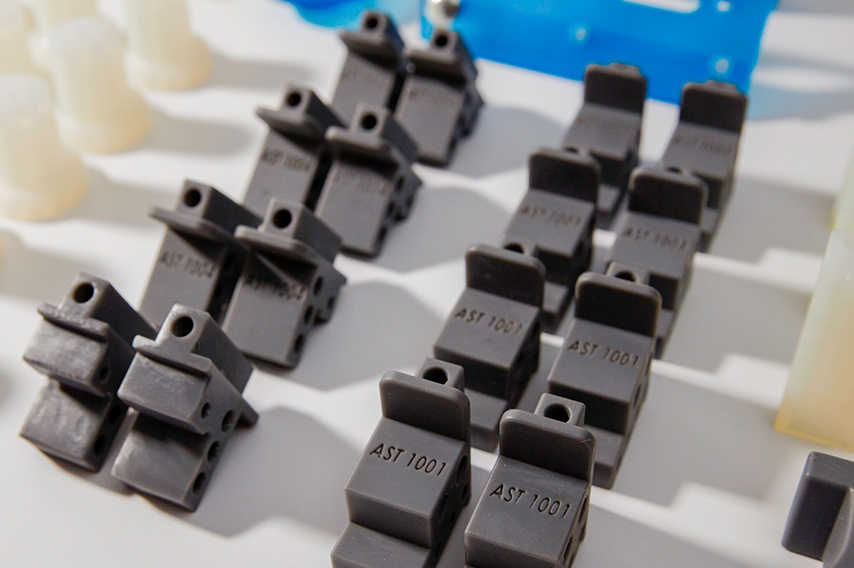
Get fast, on-demand manufacturing and rapid prototyping. Dynamism’s online 3D printing service is fast, easy, and allows access to multiple printing technologies.

Categories
Engineering Manufacturing

Successfully Implementing Additive for Engineering and Manufacturing

14 Manufacturing and Engineering Case Studies

In this collection of case studies, review how companies are currently using Formlabs SLA technology within their workflows. A wide range of applications are covered, including rapid prototyping, production tools, hybrid manufacturing, and end-use parts. Find out how they successfully:

  • Circumvented complex supply chain issues
  • Reduced cost per part by up to 90%
  • Brought prototyping, manufacturing, fixture, and jig production in-house
  • Unlocked mass customization of products
  • And much more…
Categories
Automotive Manufacturing

3D Printed Injection Molds

Reduce Costs and Leadtimes In Injection Molding

Generating molds for injection molding through traditional methods requires a lot of specialized equipment, time, and money. By leveraging 3D printing and Formlabs Rigid 10k resin, Novus has been able to produce molds at a fraction of the cost and days quicker than outsourcing. This case study will provide an overview of:

  • How to leverage 3D printing in the injection molding workflow
  • How Rigid 10K resin enabled Novus to design faster
  • Best practices for injection molding with 3D printed molds
  • More…
Categories
Healthcare

Custom Prosthetics with Fuse 1

Partial Hand Solutions

Partial Hand Solutions have been creating custom prostheses since 2007. They have explored a variety of manufacturing methods, and recently started production using a Formlabs Fuse 1 SLS system. Discover how this advanced technology allowed them to:

  • Deliver truly patient-specific outcomes
  • Increase accuracy and durability of custom prosthetics
  • Reduce cost and turnaround time in the manufacturing process
  • Produce fully moving designs without post-assembly
  • More…
Categories
Manufacturing

Replace Custom Outsourcing with SLS Printing In House

Reducing Downtime and Costs with the Fuse 1

Speed up development with custom tooling and functional end-use parts. Discover how Tessy Plastics has used their Fuse 1 to produce end-use tooling and components, ensuring production deadlines are met while keeping costs low.

  • On-demand replacement components keep production equipment running
  • Strong and functional end-use Nylon 12 and Nylon 11 parts open up a wide range of possible applications
  • Reduce costs, lead time, and storage compared to traditionally tooled parts
  • More…

Categories
3D Printing

Is SLS Printing Right for Your Organization?

Selective Laser Sintering (SLS) is a 3D printing process that’s currently trusted by engineers and manufacturers across many different industries for its capability in producing strong, functional parts. Due to the ability to densely pack parts within the build volume, as well as the self-supporting nature of the process removing the need for support structures, it’s especially suited for low-volume production. While SLS was traditionally an expensive process with a high initial investment cost, prices have recently dropped significantly, while still delivering quality parts quickly.

However, this approach is not by default suited to all applications. There are significant considerations that must be taken into account when working with powder-based systems, and these can often require additional facilities investment and safety precautions. The variety of available printing materials with SLS may be more limited compared to other 3D printing processes. Parts will also have a textured surface finish that may not be desirable for certain functions

It’s important to fully assess all necessary factors when determining whether or not SLS printing is the right fit for your organization. But this does not need to be a daunting task, and we’re here to help! Download the Guide to SLS 3D Printing for a detailed overview, and don’t hesitate to reach out to our 3D printing experts with any additional questions.

Guide to Selective Laser Sintering (SLS) 3D Printing

Selective Laser Sintering is an Additive Manufacturing (AM) technology that uses a high-power laser to sinter small particles of polymer powder into a solid structure. Grab your white paper now to discover:

  • The Selective Laser Sintering process
  • When to use SLS over other additive methods
  • Specific material properties and strengths
  • More…

Image

An SLS printer for low-volume production with great material properties that produces isotropic parts. Create engineering quality parts with production capacity to rival injection molding.

Image

The Fuse 1 and Fuse Sift bring the industrial power of Selective Laser Sintering (SLS) to your benchtop, providing prototyping and production at one tenth of the cost of existing SLS machines.

Image

Want to scale up your production without bringing new hardware in-house? We have the expertise to help! Contact our digital manufacturing team to get your parts made quickly and efficiently.

Categories
3D Printing

Fuse 1+30W vs Lisa Pro 3D Printer Comparison

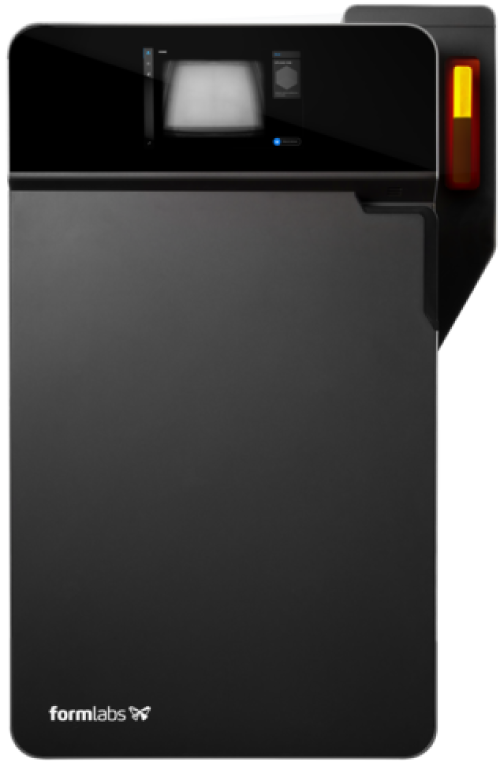
Formlabs Fuse 1+30W

Formlabs Fuse 1+30W

Designed for maximum output and minimum waste, Fuse 1+ 30W is a compact SLS 3D printer that packs an industrial punch. Unlock unprecedented print speeds, a full range of materials, and a convenient, intuitive workflow to deliver truly rapid prototyping and production in-house.

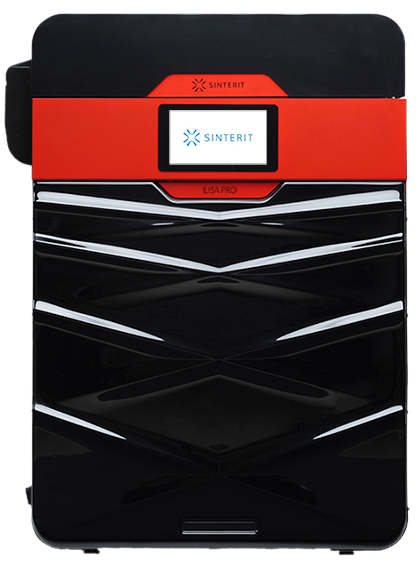
Sinterit Lisa Pro

Sinterit Lisa Pro

Another one of the market’s most affordable SLS options, the Lisa Pro provides a wider range of materials but at the cost of max 3.5″ (PA12/11) and 4.3″ (TPE/TPU) build volume in one direction and more involved workflow.

The Basics

Formlabs Fuse 1+30W
Sinterit Lisa Pro

USA

Country Designed In

Poland

165 x 165 x 300 mm
6.5 x 6.5 x 11.8 in

Build Volume
Length x Width x Height

PA: 90 x 130 x 230 mm
TPE/TPU: 110 x 150 x 245 mm

Nylon 12 / Nylon 11 /

Nylon 12 GF (glass-filled) /

Nylon 11 CF (carbon-filled) /

TPU*

Available Materials
*More materials to come.

Nylon / TPE / TPU

$100+/kg

Material Price

$140+/kg

20 – 50 %

Material Refresh Rate
Amount of new powder added with reclaimed powder every cycle.

20 – 50 %

< 60 minutes

Warmup Time
Time it takes for the build volume to head up before printing begins.

60-90 minutes

110 µm

Minimum Layer Height

75 µm

Ethernet, Wifi, USB

Connectivity

Ethernet, Wifi, USB

$24,999 ~ $40,000 for the complete workflow package

Starting Price

$18,990 ~ $40,000 for the complete workflow package

Hardware Breakdown

Fuse 1+30W

The Fuse 1+30W and Sift provide an easy-to-use, end-to-end solution for medium-large single parts or short-run production. A 6.5 x 6.5 x 11.8″ build volume enables users to pack a lot of parts in a small volume. The enclosed system with transferrable build chamber and combined cleaning/sifting/mixing station provides a seamless and clean workflow. In addition, a second build volume can be added to your rotation for minimal downtime between prints.

Lisa Pro

The Lisa Pro provides an affordable SLS 3D printing solution with wider range of materials, but with a few sacrifices. First, a maximum 3.5″ build volume in one direction when printing Nylons, a material used in SLS, limits the printer to smaller objects and smaller production runs. Next, a more involved workflow will have you transferring, scooping, measuring, pouring, and brushing volatile powders in open-air environments at several points in the process.

Materials

Out of the gate, the Fuse 1+30W only prints a customized PA12, with more materials in development. That said, PA12 accounts for 90-95% of all SLS printing and has exceptional material properties. This includes biocompatibility, great heat deflection, and resistance to UV, moisture, and solvents.

The Lisa Pro is equipped with an optional nitrogen filled chamber, which helps to print their wider range of materials. Material options includes PA11, PA12, and TPE/TPUs in varying colors.

2021 Edition

Professional 3D Printer Buyers Guide

Choosing the right 3D printer doesn’t have to be difficult. Find the perfect printer for your application. This in-depth guide covers pricing, materials, dimensional accuracy, and more.

Get Help From A 3D Printing Specialist

Categories
Jewelry

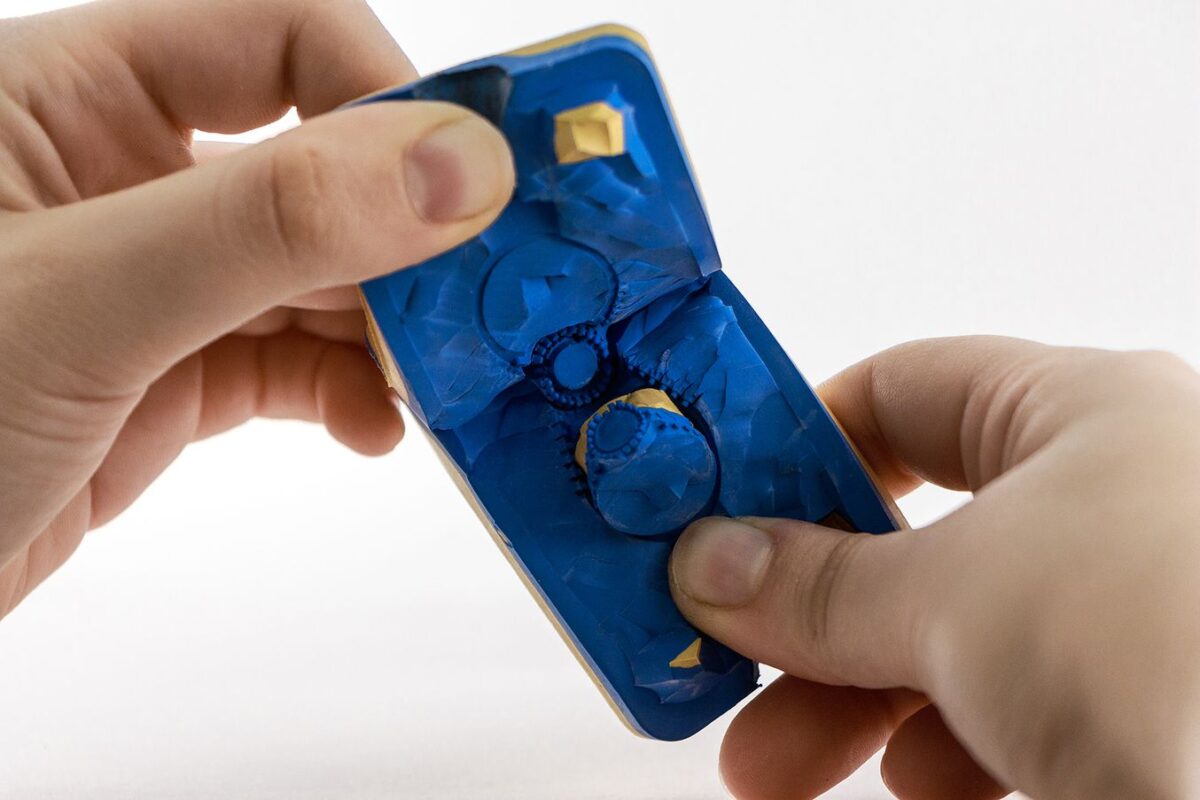
Vulcanized Rubber Molding with 3D Printed Masters

Vulcanized Rubber Molding with 3D Printed Masters

Rubber molds are used to produce wax models in quantity for investment casting of metal parts such as jewelry, small industrial components, and gaming miniatures. 3D printed masters are cheaper, faster, and more accurate than hand-crafted designs. In this white paper you’ll learn:

  • How 3D printing can be used for casting small metal parts
  • What vulcanization is and how rubber molds are made
  • Material compatibilities for rubber mold-making
  • How to select the right resin for your rubber mold-making process

Categories
Healthcare

In-House 3D Printing Speeds Design & Testing in Medical Device Development

Case Study: 3D Printing Prototypes For Medical Device Development

With life-saving technologies on the line, 3D printing brings products to market quicker while cutting development costs.

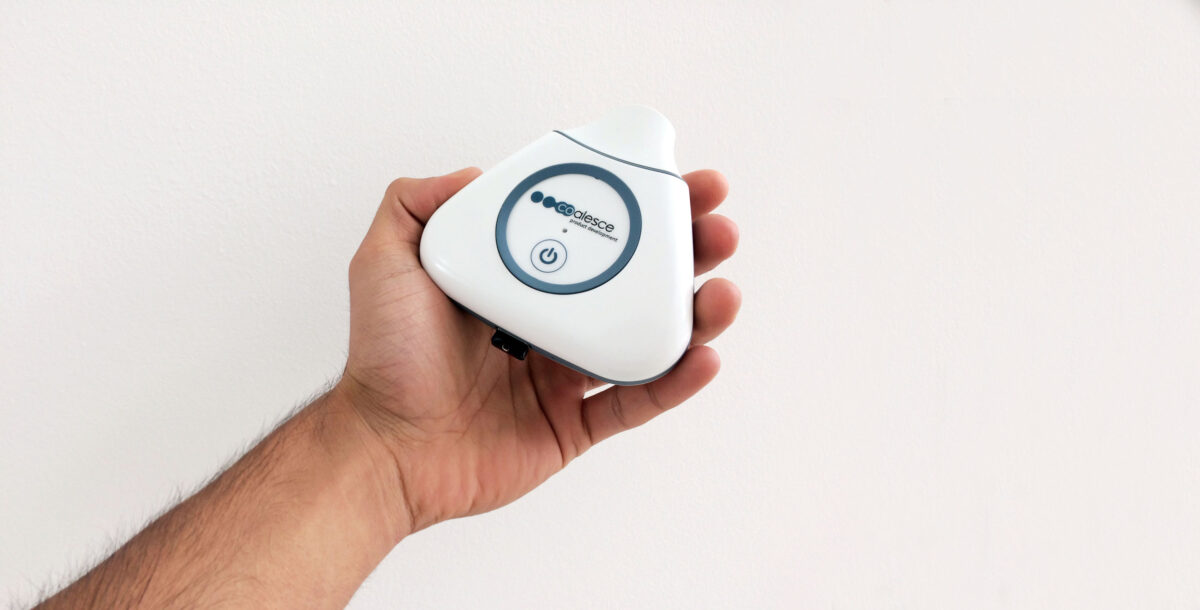
Learn how medical device company Coalesce Product Development uses stereolithography (SLA) 3D printers to create prototypes that are ready for testing in days, not months. In this case study we learn:

  • The benefits of a digital manufacturing workflow for medical devices with complex geometries
  • How Coalesce replicates the characteristics of an injection molded plastic part
  • How in-house SLA 3D printing achieved an 80–90% reduction in lead time and a 96% reduction in cost

Categories
Healthcare

3D Printing Medical Applications Guide

Get The Medical Applications Guide

Learn how 3D printing can be applied in your medical facility. This 23 page guide covers cost savings, testimonials, regulatory considerations, and a large range of applications including:

  • Hospital Applications
  • Orthotics & Assistive Devices
  • Patient-specific Anatomical Models
  • Supply Chain Shortages