


Tag: Case Studies

Implementing Solutions On Current Manufacturing Lines
The team at Nissan has gone above and beyond by using 3D printed tools, jigs, and fixtures to remold their workflow, resulting in remarkable time and cost savings. This case study highlights over twenty separate applications that Nissan has been able to implement throughout their assembly line. Download now to learn more about:
- Improving manufacturing efficiency
- Robotic automation supplementation
- Creating custom assembly fixtures
- Potential for time and cost savings

14 Manufacturing and Engineering Case Studies
In this collection of case studies, review how companies are currently using Formlabs SLA technology within their workflows. A wide range of applications are covered, including rapid prototyping, production tools, hybrid manufacturing, and end-use parts. Find out how they successfully:
- Circumvented complex supply chain issues
- Reduced cost per part by up to 90%
- Brought prototyping, manufacturing, fixture, and jig production in-house
- Unlocked mass customization of products
- And much more…
Categories
Augmenting Existing Machinery
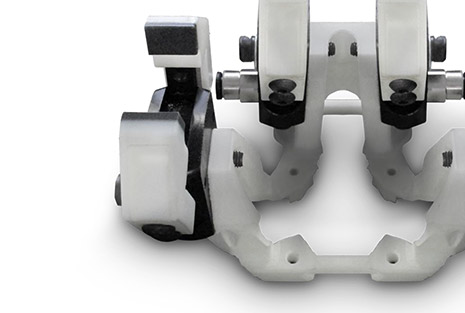
Reducing Part Weight While Maintaining Strength
When working with automated robotic equipment, ensuring weight and strength requirements are met for all components of the machine is crucial. HARBEC was able to reduce weight while improving strength compared to other additive manufacturing processes. Learn how SLS helped them:
- Reduce weight of robotic components
- Improve strength over traditional SLA additive technology
- Produce wear components in house, saving time and money
Categories
3D Printed Injection Molds

Reduce Costs and Leadtimes In Injection Molding
Generating molds for injection molding through traditional methods requires a lot of specialized equipment, time, and money. By leveraging 3D printing and Formlabs Rigid 10k resin, Novus has been able to produce molds at a fraction of the cost and days quicker than outsourcing. This case study will provide an overview of:
- How to leverage 3D printing in the injection molding workflow
- How Rigid 10K resin enabled Novus to design faster
- Best practices for injection molding with 3D printed molds
- More…
Categories
Custom Prosthetics with Fuse 1

Partial Hand Solutions
Partial Hand Solutions have been creating custom prostheses since 2007. They have explored a variety of manufacturing methods, and recently started production using a Formlabs Fuse 1 SLS system. Discover how this advanced technology allowed them to:
- Deliver truly patient-specific outcomes
- Increase accuracy and durability of custom prosthetics
- Reduce cost and turnaround time in the manufacturing process
- Produce fully moving designs without post-assembly
- More…

Reducing Downtime and Costs with the Fuse 1
Speed up development with custom tooling and functional end-use parts. Discover how Tessy Plastics has used their Fuse 1 to produce end-use tooling and components, ensuring production deadlines are met while keeping costs low.
- On-demand replacement components keep production equipment running
- Strong and functional end-use Nylon 12 and Nylon 11 parts open up a wide range of possible applications
- Reduce costs, lead time, and storage compared to traditionally tooled parts
- More…
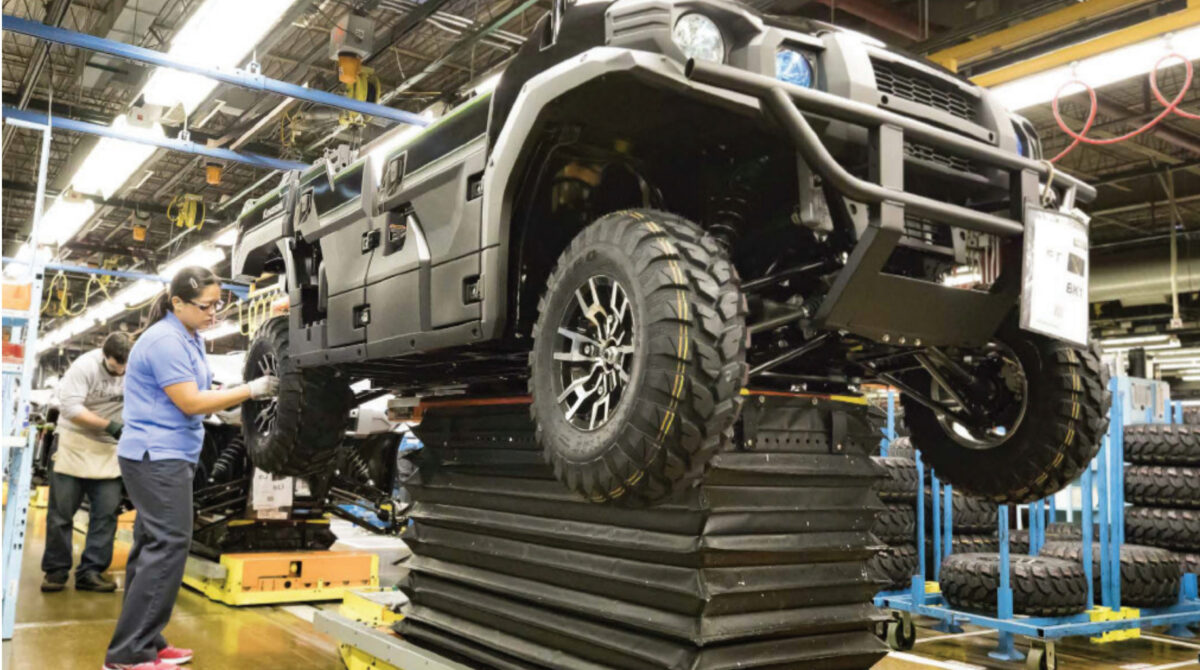
Kawasaki Deploys Large Format BigRep Printers to Increase In-House Tooling
Discover how Kawasaki used BigRep printers to solve manufacturing issues, reducing their reliance on outsourcing tooling components. Download this white paper to see:
- How to save as much as 85% compared to outsourcing manufacturing components
- How to replace end tooling equipment with 3D printed components
- Leveraging large format printing for custom fixtures
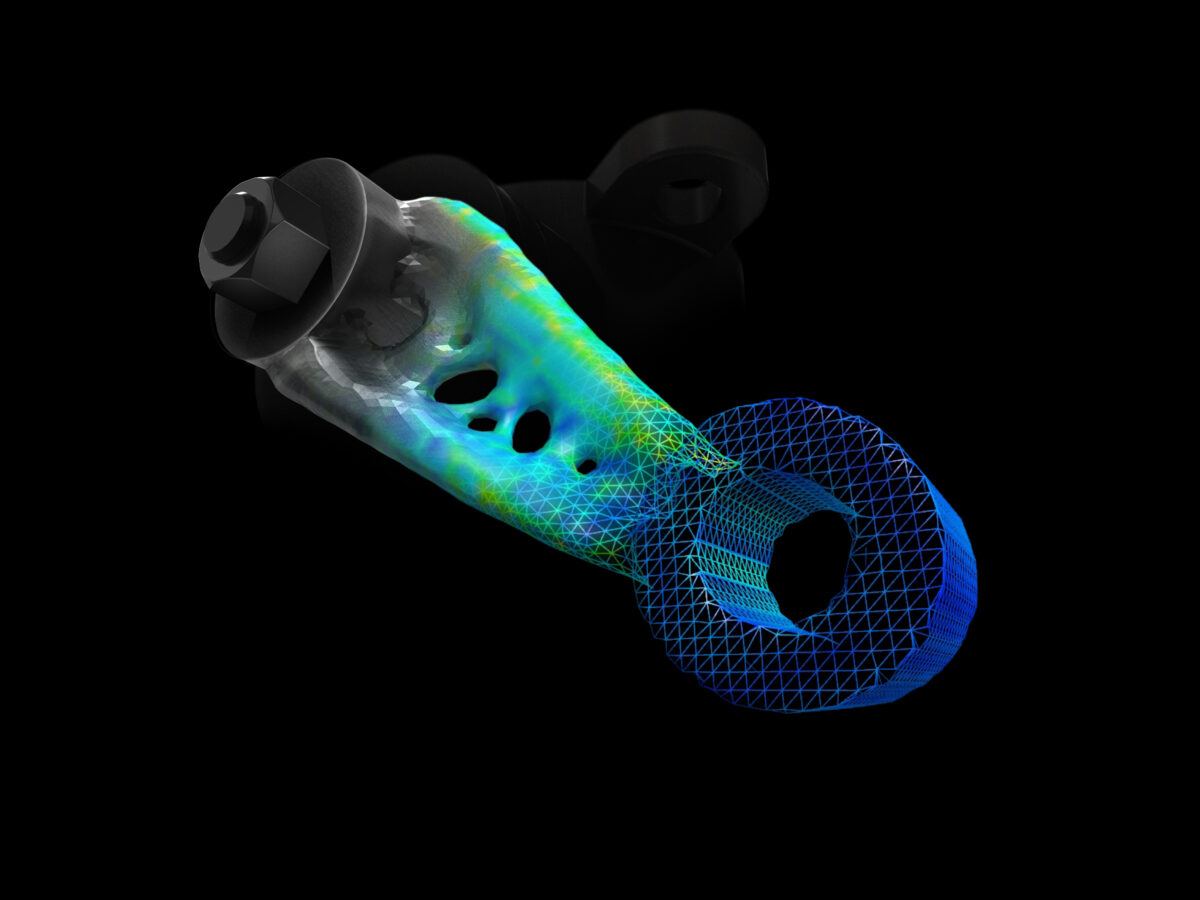
Topological Optimization of Metal Parts
Find out how Solidform, an industry pioneer in the casting prototype business that has manufactured investment and sand castings for the aerospace industry since 1980, was able to reduce an aerospace component’s weight by 65% while maintaining structural integrity. By optimizing this one part, they were able to achieve a fuel cost savings of nearly half a million dollars over the lifetime of an aircraft fleet. In this paper you will learn to:
- Optimize parts for reduced weight while maintaining strength requirements
- Implement scalable additive manufacturing to meet changing demands
- Create castable patterns directly with a 3D printer
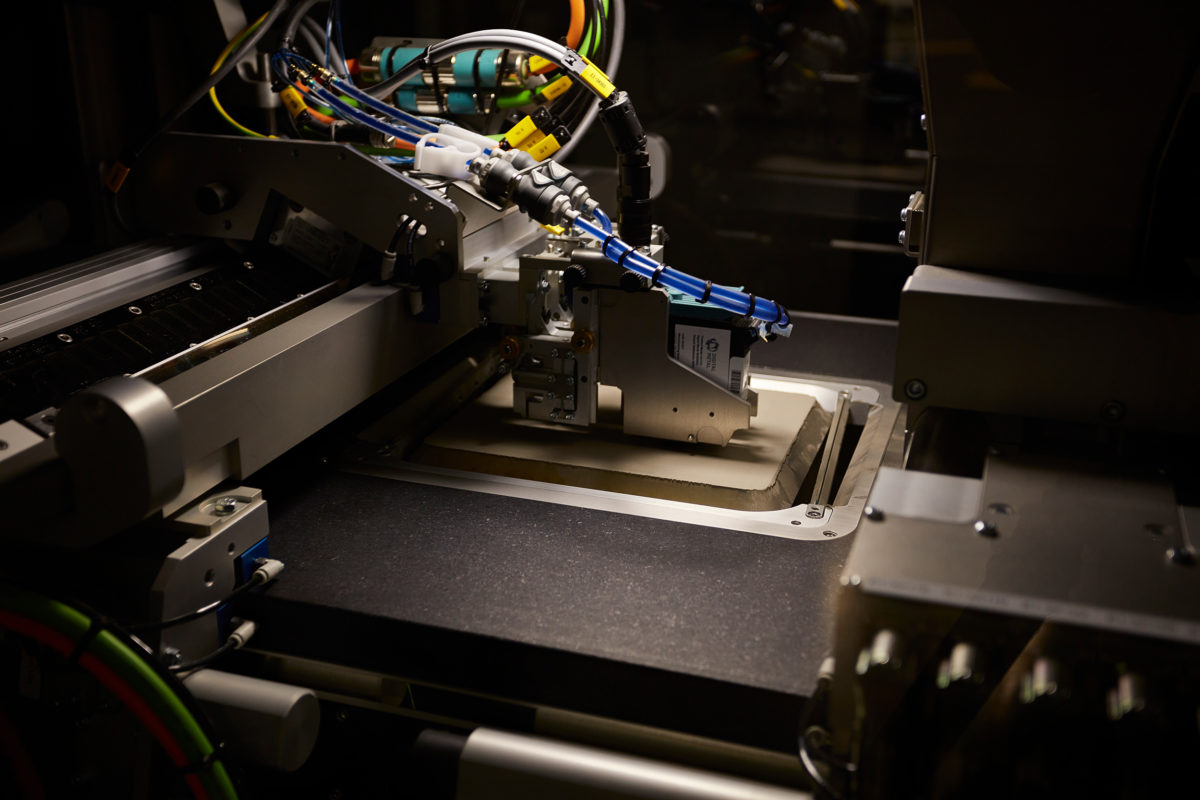
Maintaining an inventory of indirect machine materials associated with manufacturing and production can be essential to business continuity. Insert the “Take One, Make One” (TOMO) model, a new style of inventory management that leverages additive manufacturing and a digitized inventory of high wear-and-tear items to reduce physical inventory and machine downtime while streamlining parts supply.
Created by Azoth, a Dynamism customer and a member of the EWIE Group of Companies (EGC), TOMO transforms physical inventory into digital inventory that can be manufactured on-demand using 3D printing. Every time a replacement part is pulled from physical inventory and deployed for use, another is printed and stored for the next time that part needs to be replaced. The result: critical machine spare parts that traditionally would have taken six to twelve weeks to replace are able to be manufactured in hours or days.
I’ve seen processes that can have a hundred parts ready for you quicker than some companies can cut a purchase order, send it to their suppliers, and receive back into their system.
– Cody Cochran, General Manager of Azoth.
What parts are great candidates for the TOMO model? So far jigs and fixtures, gripper fingers, blow-off nozzles, and gage handlers have made ideal parts for moving to a digital inventory, although this is just the start. The TOMO model has much to be explored. Like traditional manufacturing tools, each 3D printing technology has unique traits, strengths, and weaknesses that make it ideal for different applications. Understanding additive manufacturing technologies and part requirements is one of the most significant hurdles to implementing TOMO. This is where Dynamism comes in, with a large selection and deep understanding of the various additive manufacturing technologies. For help selecting the right 3D printing technology, contact us here.