
Categories
3D Printing Manufacturing

Creating An Inventory Of Digital Parts

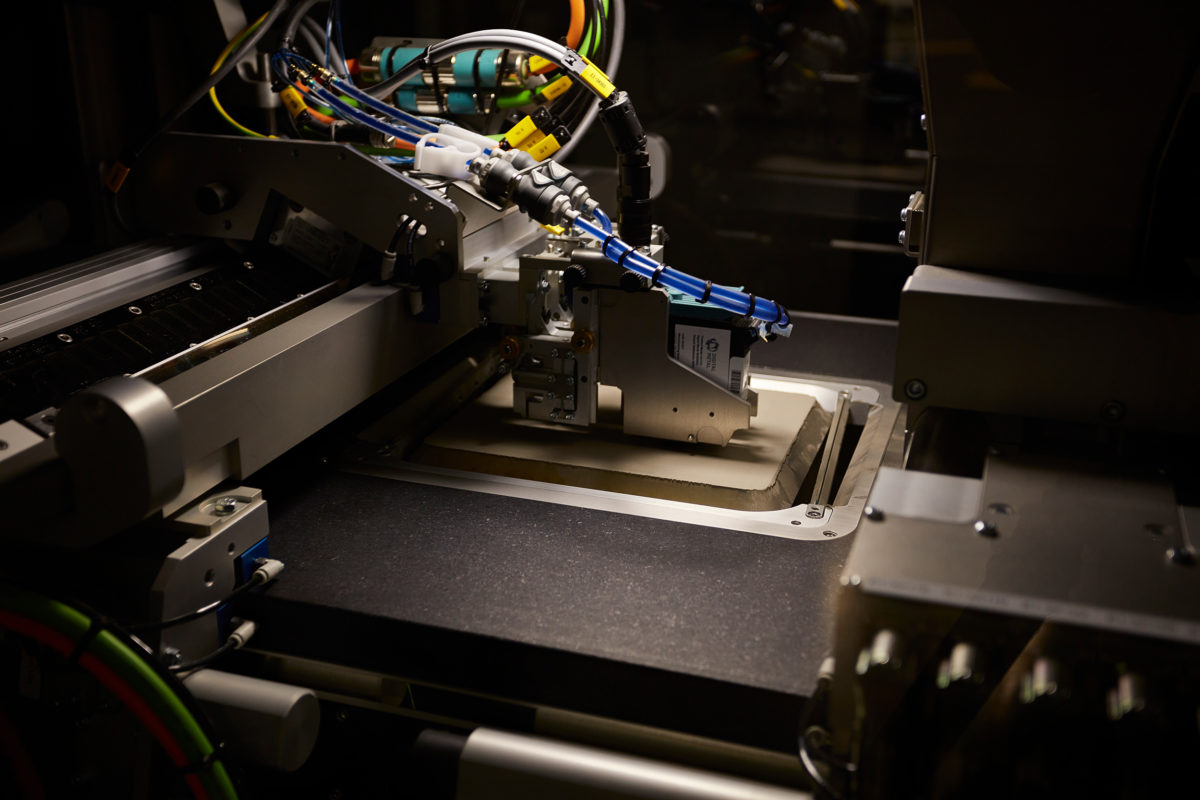
Maintaining an inventory of indirect machine materials associated with manufacturing and production can be essential to business continuity. Insert the “Take One, Make One” (TOMO) model, a new style of inventory management that leverages additive manufacturing and a digitized inventory of high wear-and-tear items to reduce physical inventory and machine downtime while streamlining parts supply.

Created by Azoth, a Dynamism customer and a member of the EWIE Group of Companies (EGC), TOMO transforms physical inventory into digital inventory that can be manufactured on-demand using 3D printing. Every time a replacement part is pulled from physical inventory and deployed for use, another is printed and stored for the next time that part needs to be replaced. The result: critical machine spare parts that traditionally would have taken six to twelve weeks to replace are able to be manufactured in hours or days.

I’ve seen processes that can have a hundred parts ready for you quicker than some companies can cut a purchase order, send it to their suppliers, and receive back into their system.

– Cody Cochran, General Manager of Azoth.

What parts are great candidates for the TOMO model? So far jigs and fixtures, gripper fingers, blow-off nozzles, and gage handlers have made ideal parts for moving to a digital inventory, although this is just the start. The TOMO model has much to be explored. Like traditional manufacturing tools, each 3D printing technology has unique traits, strengths, and weaknesses that make it ideal for different applications. Understanding additive manufacturing technologies and part requirements is one of the most significant hurdles to implementing TOMO. This is where Dynamism comes in, with a large selection and deep understanding of the various additive manufacturing technologies. For help selecting the right 3D printing technology, contact us here.
Categories
Automotive Manufacturing

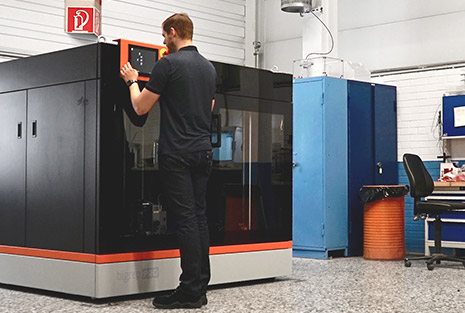
Ford Uses Large Format Printing to Reduce Costs and Lead Times

Ford Uses 3D Printing to Cut Costs and Lead Times

Learn how Ford Motor Company adopted the Large Format Bigrep One 3D Printer to reduce lead times, cut costs, and increase productivity during their design and manufacturing cycles. In this case study, you will learn how Ford leveraged 3D printing to:

  • Reduce lead time on traditionally manufactured parts by as much as 94%
  • Implement the use of long-lasting jigs and fixtures
  • Reduce turn around time with cost-effective prototyping
  • Ensure quality assurance for production components

Categories
Automotive Manufacturing

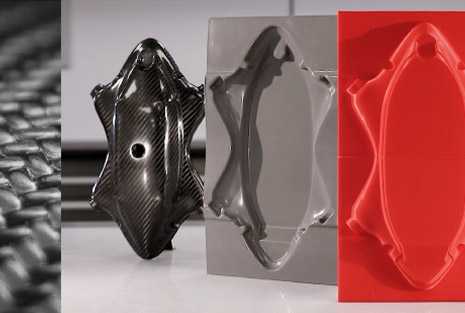
Create 3D Printed Molds for Carbon Fiber Parts

Tutorial: How to 3D Print Molds for Carbon Fiber Parts

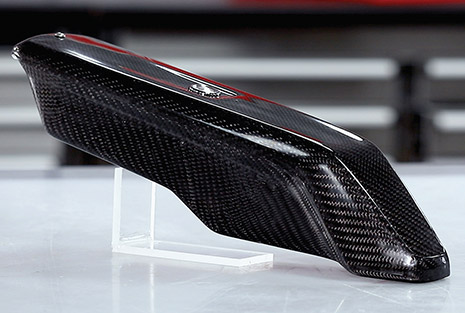
Save time and money by producing Carbon Fiber parts directly from 3D printed molds. Learn how to create strong beautiful components at a fraction of the cost and with less labor cost. In this tutorial you will learn:

  • How to use a 3d printer to directly print a mold suitable for ambient temperature processing.
  • Techniques to perform a simple hand layup in carbon fiber.
  • How to coat the finished part to provide a perfect cosmetic finish.

Categories
Automotive Manufacturing

Tutorial: Creating Carbon Fiber Molds From 3D Printed Patterns

Free Tutorial

How To Create Carbon Fiber Molds From 3D Printed Patterns

Learn how to create production-ready carbon fiber molds from 3D printed patterns. This tutorial covers print settings and materials, carbon fiber materials and hardware, and in-depth, step-by-step instructions including:

  • How to use a 3D printer to create a pattern and prepare for mold making
  • How to create a mold from a 3D printed patterns using epoxy
  • How to use your mold to make a prepreg carbon fiber part