
Categories
3D Printing

Bambu Lab vs Prusa: Which 3D Printer is Right for You in 2026?

Choosing between Bambu Lab vs Prusa has become the defining decision for anyone entering the desktop 3D printing market in 2026.

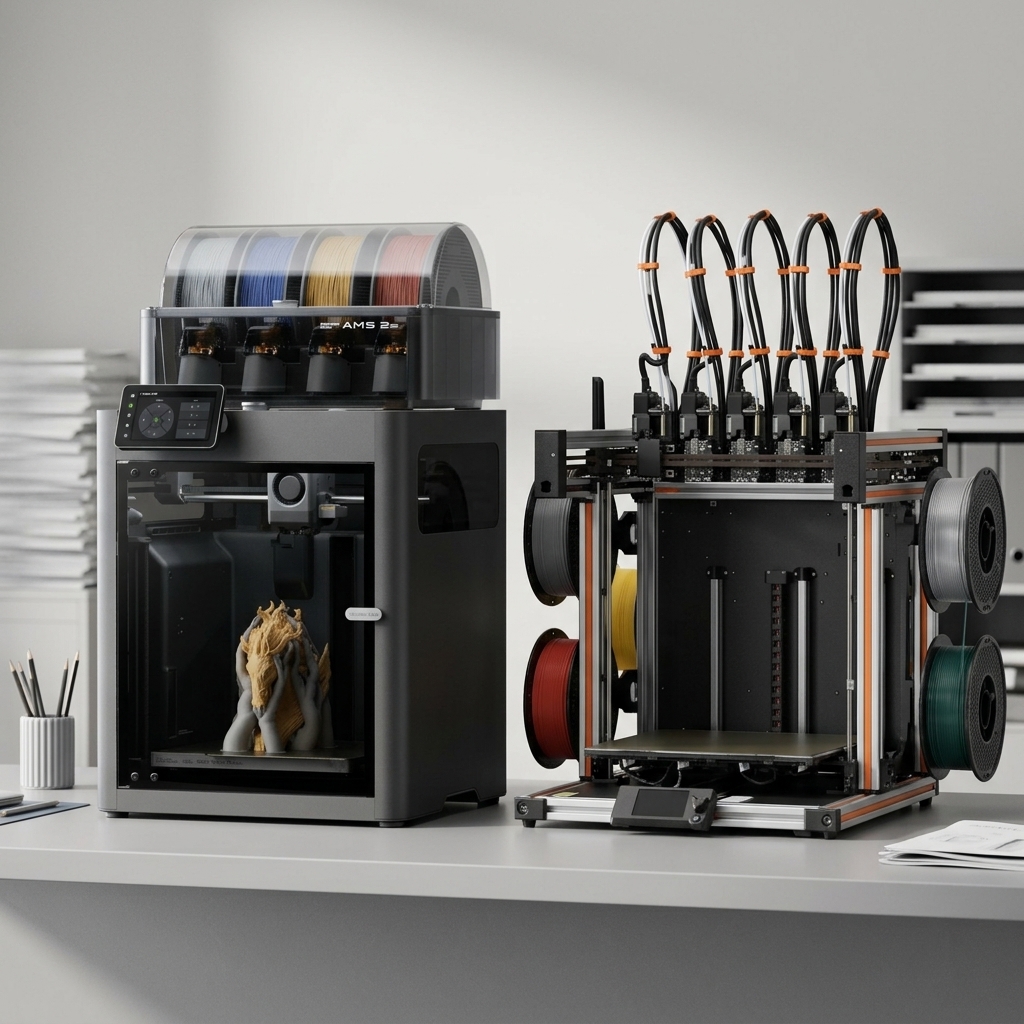
Two desktop 3D printers side by side — an enclosed multi-material system (left) and an open-frame multi-toolhead printer (right).

Bambu Lab vs Prusa: The Two Titans of Desktop 3D Printing

Choosing between Bambu Lab vs Prusa has become the defining decision for anyone entering the desktop 3D printing market in 2026.

Both manufacturers have earned devoted followings, but for distinctly different reasons. Prusa built its reputation on open-source principles, meticulous engineering, and bulletproof reliability over more than a decade. Bambu Lab disrupted the industry in 2022 with aggressive pricing, impressive speeds, and a closed ecosystem that prioritizes user experience over tinkering and in 2026, they’ve continued to push the value story even further.

For educators building maker labs, small business owners scaling production, and prosumers demanding consistent results, understanding these differences matters. The right choice depends less on which printer is “better” and more on which philosophy aligns with your workflow, technical comfort level, and long-term goals.

This Bambu Lab vs Prusa comparison examines both brands across the metrics that matter most: print quality, speed, reliability, ease of use, material compatibility, and overall value. We focus primarily on the Bambu Lab P1S and X2D against the Prusa MK4S and XL, the sweet spot for serious users who need production-ready performance without industrial-grade budgets.

Quick Comparison: Bambu Lab vs Prusa at a Glance

FeatureBambu Lab P1SBambu Lab X2DPrusa MK4Prusa XL
Price$549$649 / $899 combo$999 assembled / $709 kit$2,299 / $4,499 assebled 5 tool head
Print Speed250-300mm/s250-300mm/sUp to 200mm/s100-150mm/s
Build Volume256×256×256mm256×256×256mm250×210×220mm360×360×360mm
EnclosureYesYes, actively heated to 65°COptionalOptional
Multi-MaterialAMS (up to 4)AMS (up to 25 colors)MMU3 (up to 5)Up to 5 toolheads
Open FilamentPartialPartialYesYes
Open SourceNoNoYesYes
Best ForProsumers, businessAdvanced, dual nozzleEducators, tinkerersLarge format, education

Print Quality and Speed: Different Approaches to Excellence

When it comes to the Bambu Lab vs Prusa decision, the right choice depends on your specific workflow and priorities. Both manufacturers deliver exceptional print quality, but they achieve it through contrasting engineering philosophies.

Prusa’s approach emphasizes mechanical precision and proven technology. The MK4S the 2025 evolution of their flagship MK4 features a refined 360° cooling system, a high-flow Nextruder, and numerous firmware optimizations that deliver faster speeds without sacrificing accuracy. Independent tests gave the MK4S a perfect 30/30 score for print quality from TechRadar, and CNET named it “The Best Printer for Quality.” Prints emerge with smooth surfaces, accurate dimensions, and predictable results across various geometries.

Bambu Lab prioritizes speed without sacrificing quality. The P1S and X2D utilize CoreXY motion systems, sophisticated vibration compensation, and AI-powered flow calibration to achieve print speeds of 250–300mm/s routinely. A benchy that takes over 40 minutes on the MK4S finishes in under 20 minutes on the P1S with comparable surface quality. The difference becomes stark for production runs or classroom environments where throughput matters.

The X2D takes this further with a dual nozzle system, a direct drive main nozzle for precision and a Bowden auxiliary nozzle for support and multi-material work. Combined with 31 sensors, a toolhead camera for AI print monitoring, and an actively heated chamber reaching 65°C, the X2D is Bambu’s most capable machine to date.

For absolute detail on miniatures or small-scale prototypes, both perform admirably at slower speeds. Prusa’s open-source slicer gives advanced users granular control over acceleration and jerk settings. Bambu’s proprietary Bambu Studio applies machine learning to optimize paths automatically, brilliant for most scenarios but offering less manual override for edge cases.

Reliability and Maintenance: Open vs. Closed Ecosystems

Reliability means different things depending on your technical capabilities and support infrastructure.

Prusa has earned near-legendary status for reliability. The MK4S builds on years of field-tested engineering with fully documented components, transparent firmware, and a massive community knowledge base. Prusa ships around 10,000 printers per month and reports a claim rate of less than 1%. When something breaks and everything eventually breaks replacement parts are readily available, often from third-party suppliers. For schools and small businesses without dedicated technical staff, knowing you can diagnose and fix issues with community documentation provides immense peace of mind.

Bambu Lab printers are engineered for reliability through tight integration rather than user serviceability. The closed ecosystem means fewer variables, and quality control has proven solid across multiple product generations. The X2D adds 31 sensors including filament runout, grinding, and tangle detection, proactive monitoring that catches issues before they become failed prints. However, when issues do arise, you are dependent on Bambu’s support infrastructure and proprietary parts. For institutions requiring guaranteed uptime, this is a legitimate consideration.

Both manufacturers offer multi-material systems Prusa’s MMU3 (up to 5 colors) and Bambu’s AMS. Bambu’s AMS implementation on the X2D supports up to 25 colors with faster purges and better waste management than the previous generation. The Prusa XL takes a different approach entirely with true independent toolheads up to 5 allowing near-zero-waste multi-material printing without purge towers.

Materials, Ecosystem, and Long-Term Value

Material compatibility reveals each manufacturer’s strategic priorities.

Prusa maintains an open-filament philosophy. The MK4S handles PLA, PETG, ASA, PC, flex, and more with published profiles. You can use any filament from any manufacturer without restriction, which significantly reduces operating costs and eliminates vendor lock-in. Prusa’s open-source PrusaSlicer includes over 180 tested material profiles.

Bambu Lab technically supports third-party filaments, but the ecosystem strongly encourages Bambu-branded materials. RFID tags auto-configure settings, and Bambu Studio’s profiles are optimized for their filaments. For high-temperature engineering polymers, the X2D’s actively heated chamber reaching 65°C and support for PC, nylon, and carbon-fiber composites through the main nozzle provide genuine advantages.

The pricing story in 2026 has shifted dramatically in Bambu’s favor. The Prusa MK4S assembled now retails at $925 while the Bambu P1S starts at $549 and the flagship X2D at $649. Even the Prusa XL, which received a 2026 price drop, sits at $2,299 for the single toolhead setup. Bambu is delivering comparable or faster print quality at significantly lower entry points. For buyers weighing value per dollar, the math has changed.

However, total cost of ownership tells a more complete story. Prusa’s open filament ecosystem typically yields lower per-kilogram material costs. Bambu’s faster print speeds reduce electricity costs and increase throughput value. For educational institutions, Prusa’s open-source curriculum resources and established educator community provide significant intangible value. For small businesses focused on production efficiency, Bambu’s combination of speed and price is increasingly difficult to argue against.

Which Printer Matches Your Needs?

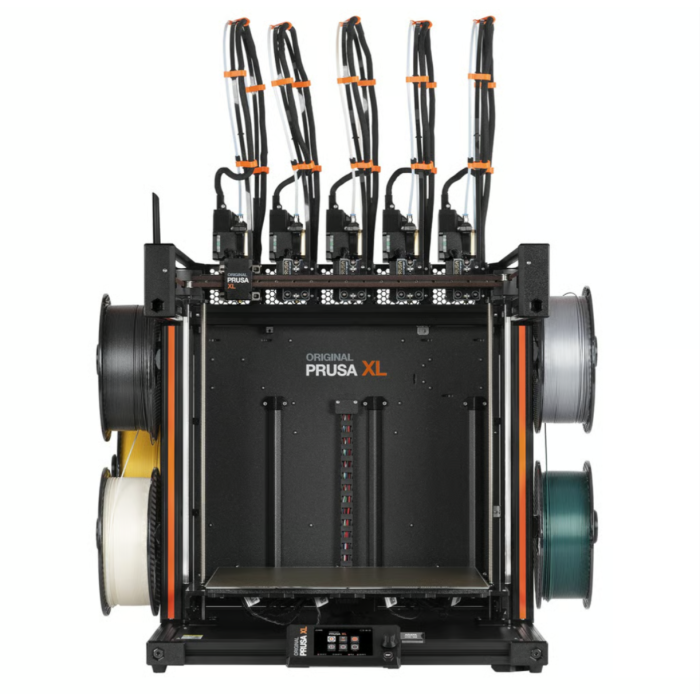
Product Shot of the Prusa XL with 5 tool heads
The Original Prusa XL with five independent toolheads.

Choose Prusa if you:

  • Value open-source principles and long-term repairability
  • Need comprehensive community support and documentation
  • Prefer vendor-neutral filament sourcing
  • Operate in educational settings emphasizing learning over production
  • Need zero-waste multi-material printing (Prusa XL)
  • Have technical users comfortable with maintenance and troubleshooting
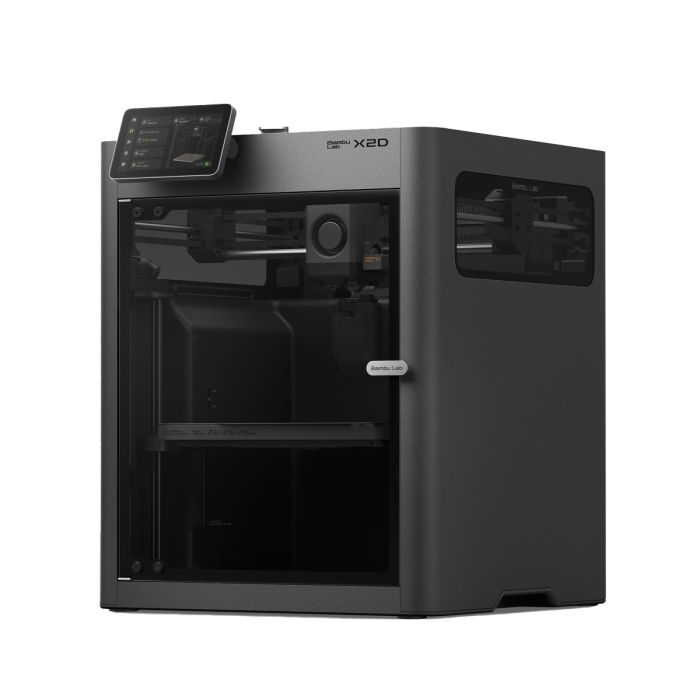
Bambu Lab X2D enclosed 3D printer with touchscreen
The Bambu Lab X2D — dual nozzle, actively heated chamber, and AMS support for up to 25 colors starting at $649.

Choose Bambu Lab if you:

  • Prioritize print speed and production throughput
  • Want minimal setup and excellent out-of-box experience
  • Need multi-color printing up to 25 colors (X2D with AMS)
  • Need dual nozzle capability for complex multi-material work (X2D)
  • Want reliable performance with limited technical expertise on staff
  • Are working within a tighter budget, Bambu offers more speed per dollar in 2026

Frequently Asked Questions

Is Bambu Lab better than Prusa?

Neither is objectively better, they serve different users. Bambu Lab is better for speed, ease of use, and production throughput. Prusa is better for repairability, open-source flexibility, and educational environments. The right choice depends entirely on your priorities.

Can Bambu Lab printers use third-party filament?

Yes, but with limitations. Bambu Lab printers technically support third-party filaments but the ecosystem is optimized for Bambu-branded materials with RFID auto-configuration. Custom profiles can be created but require additional setup and experimentation.

Which is more reliable,  Bambu Lab or Prusa?

Both are reliable but in different ways. Prusa has a longer track record, fully documented components, and superior community support for self-repair. Bambu Lab has fewer maintenance issues out of the box but is more dependent on manufacturer support when problems arise.

Is Prusa good for beginners?

Prusa is beginner-friendly with excellent documentation and community support, though it requires more hands-on involvement than Bambu Lab. For users who want a true plug-and-play experience, Bambu Lab offers a more streamlined out-of-box setup.

Which 3D printer is best for schools and education?

Prusa is generally preferred for educational settings due to its open-source curriculum resources, repairability, vendor-neutral filament compatibility, and strong community. However, Bambu Lab’s ease of use and significantly lower price point in 2026 make it increasingly popular in classrooms focused on design output and throughput rather than printer maintenance and tinkering. Prusa is beginner-friendly with excellent documentation and community support, though it requires more hands-on involvement than Bambu Lab. For users who want a true plug-and-play experience, Bambu Lab offers a more streamlined out-of-box setup.

What is the Bambu Lab X2D?

The Bambu Lab X2D is Bambu’s current flagship desktop 3D printer, featuring a dual nozzle system (direct drive main + Bowden auxiliary), an actively heated chamber up to 65°C, 31 sensors including AI print monitoring via a toolhead camera, and AMS support for up to 25 colors. It starts at $649 for the printer or $899 as a combo with the AMS.

READY TO DECIDE?

Dynamism carries the complete range of Bambu Lab and Prusa 3D printers, filaments, and accessories. Our team has hands-on experience with both ecosystems and can help match the right platform to your workflow, budget, and use case.

Shop Bambu Lab
Shop Prusa
Talk to a specialist: sales@dynamism.com | 1-800-711-6277

Categories
3D Printing Engineering Manufacturing

Hybrid Manufacturing at Formlabs: 3D Printing Meets Pressure Forming

Inside Formlabs’ R&D Workflow: Combining SLA 3D Printing with the Mayku Multiplier for Faster, Scalable Product Development

Time is one of the most valuable resources for research and development teams. Whether you’re prototyping a new component or preparing for low-volume production, the goal is always the same: to find the most efficient path to a working solution without compromising quality. That’s where hybrid manufacturing comes in.

By combining SLA 3D printing with pressure forming, companies like Formlabs are unlocking faster, more flexible ways to build, iterate, and scale.

What Is Hybrid Manufacturing?

Hybrid manufacturing refers to the integration of multiple fabrication technologies such as combining resin-based SLA 3D printing with desktop pressure forming into a single workflow. While 3D printing is ideal for rapid prototyping and custom part production, pairing it with pressure forming allows teams to move seamlessly into short-run production using durable, functional materials.

This powerful combination reduces turnaround times, lowers production costs, and improves surface finish and part performance making it especially valuable for engineering teams transitioning from prototypes to real-world applications.

Why Formlabs Combines SLA Printing and Pressure Forming

Formlabs, a global leader in professional desktop 3D printing, doesn’t just sell cutting-edge technology, they use it. Inside their Boston-based headquarters, Formlabs’ R&D team relies on hybrid manufacturing to prototype, test, and produce parts entirely in-house.

Their full-stack machine shop includes CNC machining, laser cutting, casting, and SLA 3D printers, all of which empower engineers to maintain complete control over the product development cycle. By integrating the Mayku Multiplier, a compact desktop pressure former, into their workflow, Formlabs has dramatically increased both the speed and scalability of their prototyping process.

The Power of the Mayku Multiplier in Formlabs’ Workflow

A standout example of this approach was the development of a protective IR sensor cover for the new Form 4 printer. The part needed to be both durable and precisely formed to prevent resin leaks that could damage sensitive components.

To solve the challenge, the Formlabs team used their SLA 3D printers to create accurate molds and then leveraged the Mayku Multiplier to pressure-form thermoplastic covers. The result? A functional prototype completed in just days without the need for costly outsourcing or long lead times.

Faster Prototyping With SLA Molds and Pressure Forming

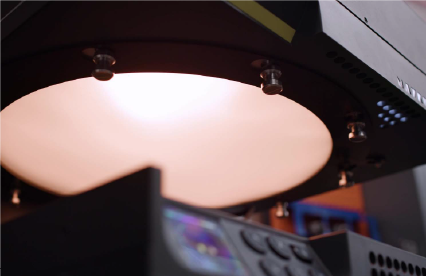
Mayku Multiplier heating up material

Mayku Multipler heating up material 

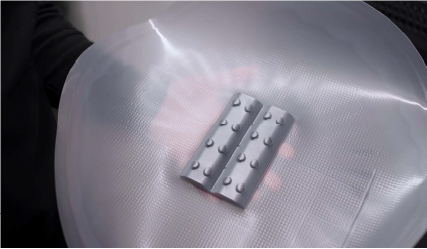
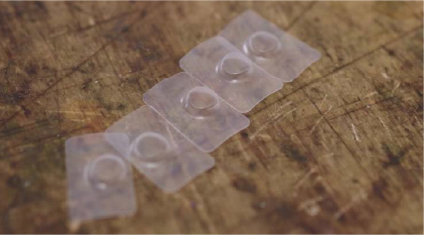
Multiplier pressure formed IR sensor covers on a Formlabs SLA 3D printed mold.

By pairing SLA-printed molds with pressure-formed parts, the Formlabs team rapidly iterated through designs, testing each version in real-world conditions. What would typically take weeks via third-party vendors was completed in-house in a fraction of the time. This hybrid approach turned a traditionally linear process into an agile, feedback-driven workflow.

“Being able to go from idea to prototype in a day or two changes how we work,” said Mechanical Engineer Jennifer Lu. “It lets us test faster, learn faster, and stay focused on building a better product.”

Real-World Results: Same-Day Prototyping With Mayku and Formlabs

The Mayku Multiplier delivered production-quality parts even on intricate geometries making it a reliable tool for daily use. Its ability to form parts quickly and in high detail helped the Formlabs team speed up testing, reduce iteration time, and boost product development velocity.

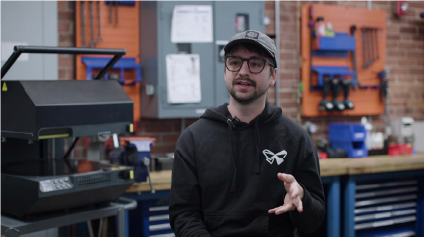
Franko Kosic-Matulic, Machine Shop Coordinator at Formlabs.

Franko Kosic-Matulic, Machine Shop Coordinator at Formlabs.

The finished  pressureformed sensor cover after postprocessing

The finished  pressureformed sensor cover after postprocessing

“We can definitely rely on the Multiplier to give us really high detail and also form quickly and produce a lot of parts,” said Machine Shop Coordinator Franko Kosic-Matulic.

What Hybrid Manufacturing Means for Engineers and Product Developers

The collaboration between Formlabs and Mayku is a compelling example of how hybrid manufacturing can elevate modern product development. By combining SLA 3D printing with pressure forming, engineers gain access to a faster, more repeatable, and cost-effective workflow ideal for prototyping, testing, and small-batch production.

Whether you’re a mechanical engineer, industrial designer, or lab manager, this approach shows how the right combination of tools can transform the way you work.

Download the Full Case Study: How Formlabs Accelerated Prototyping with the Mayku Multiplier

Get instant access to the full case study and learn how Formlabs leveraged pressure forming to cut prototyping time from weeks to days.

Marketing by
Categories
3D Printing

Dynamism Sponsors Make48 2025: Supporting Innovation with Ultimaker & MakerBot

At Dynamism, we’re passionate about helping our customers succeed in additive manufacturing. Whether it’s schools, makerspaces, or businesses, our goal is to provide the tools and resources they need to innovate and grow. We’ve been deeply involved in education, working with schools, universities, and makerspaces to build impactful print labs that foster creativity and hands-on learning. We believe 3D printing is a key part of STEM education, helping students develop problem-solving skills and think like innovators. That’s why we’re excited to sponsor Make48 2025, alongside  Ultimaker and MakerBot! This partnership reflects our commitment to supporting creators, problem solvers, and future innovators with the tools they need to bring their ideas to life.

What is Make48?

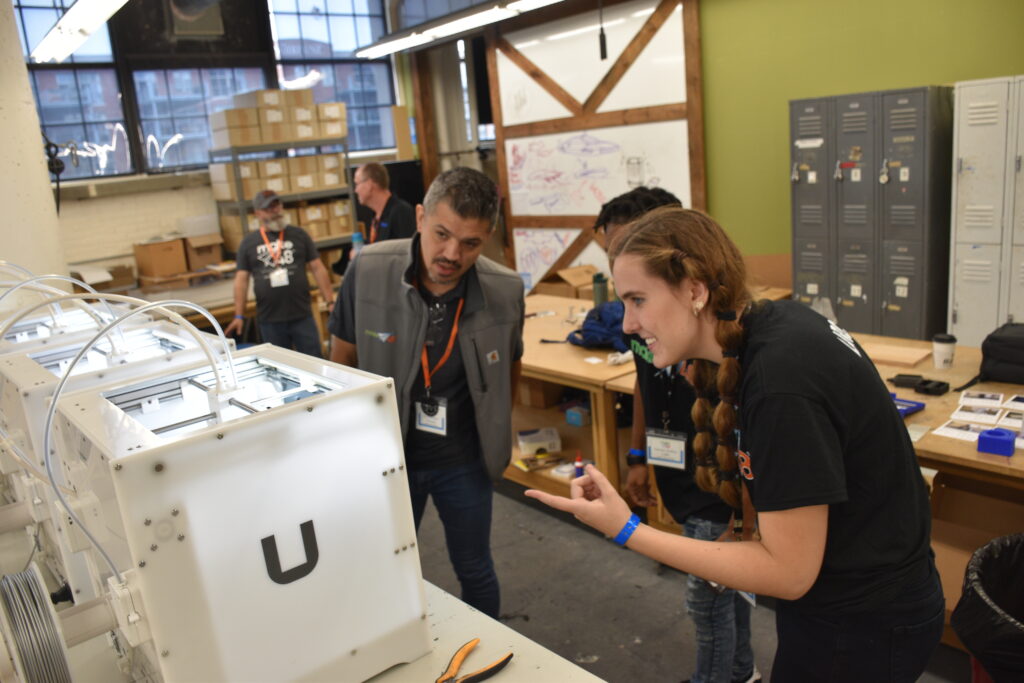
Make48 is an intense 48-hour invention challenge where teams of makers, engineers, designers, and everyday problem-solvers compete to turn ideas into tangible prototypes. Participants are given a real-world challenge and access to a wide range of tools, mentors, and resources to create working prototypes. The event ends with presentations of each team’s product to a panel of judges, with winners receiving opportunities to take their inventions even further.

Why Dynamism is Sponsoring Make48

At Dynamism, we’re all about helping innovators push the boundaries of what’s possible with 3D printing. That’s why we’re excited to support Make48—it’s a perfect fit with our mission. This competition gives creative minds the chance to tackle real-world challenges using cutting-edge tools. By teaming up with Ultimaker and MakerBot, we’re making sure participants have access to top-tier 3D printing technology to bring their ideas to life, faster and more efficiently.

How Ultimaker and MakerBot Elevate the Challenge

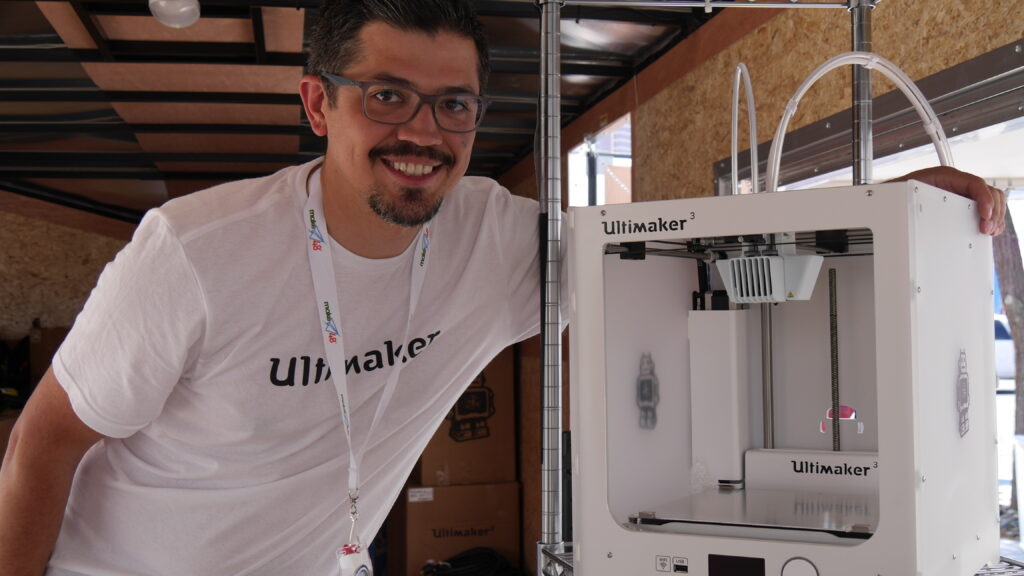
Ultimaker and MakerBot, two of the most trusted names in 3D printing, are bringing their expertise and industry-leading technology to Make48. Participants will have the opportunity to utilize makerbots precise and user-friendly 3D printers, and 2 engineering mentors from Ultimaker’s team to help guide participants with tips and tricks when using the 3D printers. With these advanced tools at their disposal, teams can turn ideas into reality faster than ever before.

The Impact of This Partnership

By sponsoring Make48 we’re investing in the future of design, engineering, and manufacturing. This competition provides an invaluable learning experience, teaching participants about rapid prototyping, iteration, and the importance of creative problem-solving. Equipping the participants with the skills and confidence to bring their ideas to life will encourage the next generation of entrepreneurs and product developers to bring their ideas to market. This is also a great opportunity for educators to see the real impact tools like 3D printing can have in real time and to encourage access to STEM tools in their institutions.

Join Us for an Exciting Year of Innovation

Make48 2025 is set to be an incredible experience and opportunity to its participants.  As a sponsor, Dynamism is proud to be part of this journey, empowering makers to push the boundaries of innovation. Stay tuned for event updates, behind-the-scenes insights, and highlights from the competition. Follow make48 on social media @gomake48 and visit the make48 website to learn more about this exciting program.

Categories
3D Printing Engineering

FDM Printing in Architecture, Design, and Traditional Engineering: Dynamism & Ultimaker Shine at Dubai Design Week

FDM Printing in Architecture, Design, and Traditional Engineering: Dynamism & Ultimaker Shine at Dubai Design Week

How FDM Printing is Revolutionizing Architecture and Design

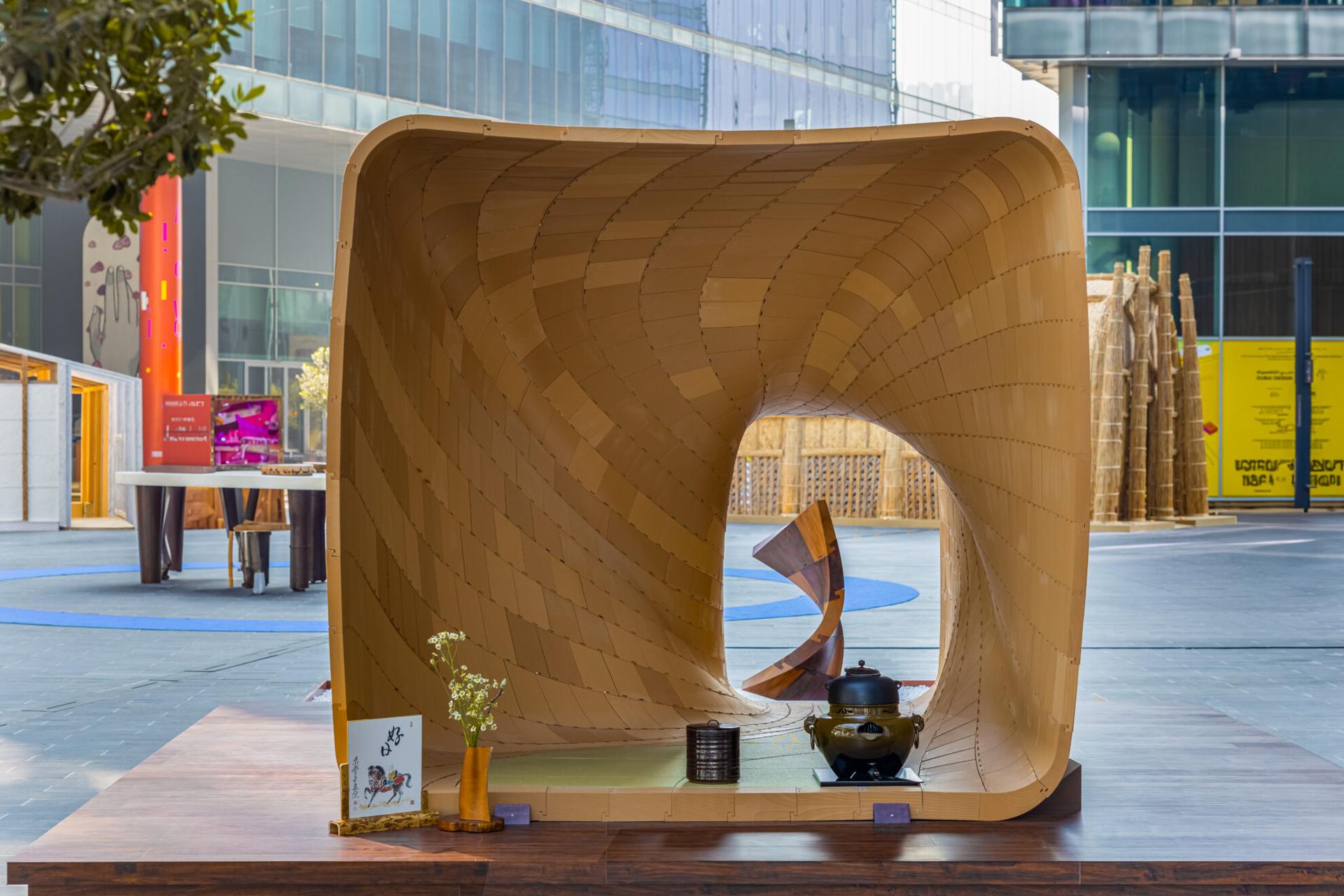
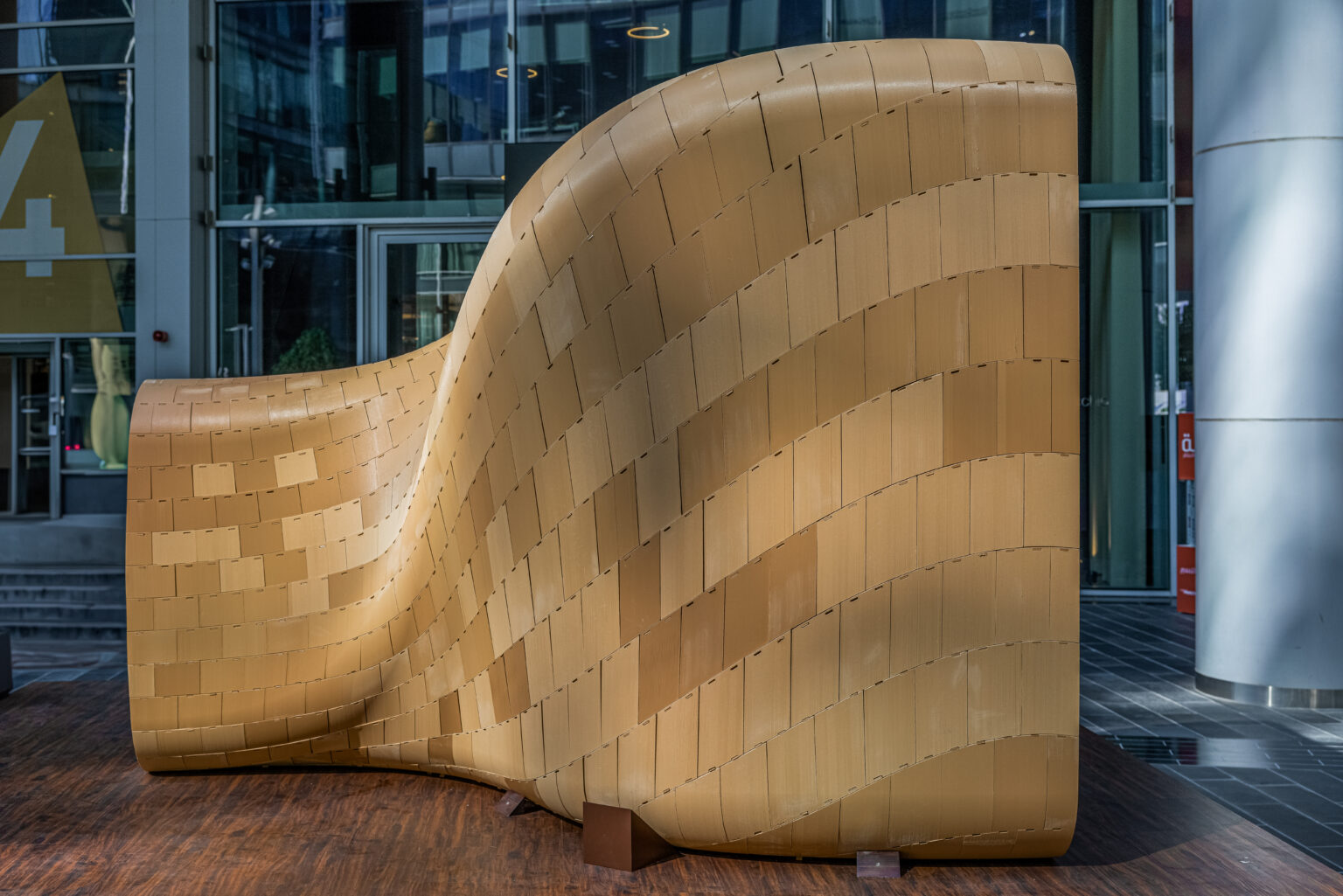
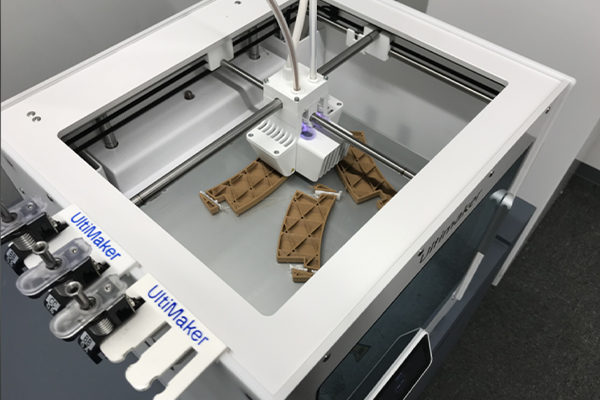
Dubai Design Week, the Middle East’s premier design event served as the global stage for Mitsubishi Estate’s visionary 3D-printed teahouse. This groundbreaking creation seamlessly merged traditional Japanese culture and heritage with FDM 3D printing technology, offering a captivating showcase of architectural innovation. Dynamism played a key role in supporting the 3D printing of teahouse components, which were all done using a wood-based filament. These parts were then shipped to Dubai, where they were seamlessly assembled into the stunning final structure.

Dubai Design Week: A Global Hub for Creativity

Dubai Design Week is renowned for uniting designers from around the world to inspire creativity and foster innovation. The annual event features exhibitions, pop-ups, installations, and talks that engage professionals, media, and design enthusiasts while strengthening Dubai’s reputation as a vibrant design capital.

The 3D-Printed Teahouse: Tradition Meets Innovation

The 3D-printed teahouse stood out as a beacon of innovation at Dubai Design Week. By merging traditional architecture with modern 3D printing, this ambitious project showcased how additive manufacturing can preserve cultural heritage while pushing the boundaries of design and engineering.

Traditional Japanese Engineering Influences

The teahouse design drew heavily from Japanese traditions, particularly the “hozo tsugi” joinery technique. This ancient method involves interlocking wooden joints without nails or screws, a skill-intensive practice that ensures durability and elegance. To recreate this authentically, Polywood—a wood-infused resin filament—was used to replicate the aesthetic of traditional Japanese tea rooms.

Ultimaker’s Role in Precision Printing

Key to the project’s success was Ultimaker’s S series 3D printers. Using digital renderings, the intricate teahouse design was divided into 988 individual parts, including 1,938 meticulously crafted “hozo” joints. The Ultimaker printers delivered unparalleled precision, completing approximately 4,000 hours of printing to bring the project to life. The printers’ versatility enabled the seamless integration of traditional engineering with advanced FDM printing techniques.

The Significance of the 3D-Printed Teahouse

The teahouse was more than an architectural marvel—it symbolized the harmonious blending of tradition and technology. Leveraging FDM printing, this demonstrated the transformative potential of additive manufacturing to preserve and reimagine cultural heritage. The teahouse captivated a global audience, underscoring the possibilities of 3D printing in architecture, design, and engineering.

Bridging Heritage and Innovation

Dynamism’s contribution to Dubai Design Week highlighted the growing role of 3D printing in modern design. Projects like the 3D-printed teahouse not only showcase the technological capabilities of FDM printing but also emphasize its power to honor and elevate tradition. As a leader in advanced 3D printing solutions, Dynamism continues to inspire by merging the past with the future through innovative designs.

ColorFabb 2.85mm Woodfill – 600g

ColorFabb 2.85mm Woodfill - 600g

Ultimaker S Series

Ultimaker S7
Categories
3D Printing Aerospace Education Engineering Healthcare Manufacturing

Tullomer Filament: Breakthrough Findings on Low-Outgassing for Ultra-High Vacuum Applications

Tullomer: The Ideal Low-Outgassing Filament for UHV Applications

With its remarkably low outgassing properties, Tullomer outperforms standard materials like PEEK, making it ideal for UHV applications. Extensive testing, including residual gas analysis, has proven its reliability in maintaining pristine vacuum conditions, making it a top choice for industries like aerospace and semiconductor manufacturing.

When designing components for ultra-high vacuum (UHV) applications, the choice of materials is crucial. Metals and ceramics have traditionally been favored due to their low outgassing properties, but recent advances in 3D printing are bringing plastics into the conversation. Evaluating these 3D-printed materials, particularly in terms of outgassing and residual gas analysis (RGA), is essential to ensuring they can maintain the integrity of a UHV environment.

Outgassing Challenges in UHV Applications

Outgassing refers to releasing trapped gasses from a material when exposed to vacuum conditions. 3D-printed plastics often present challenges due to the nature of polymer absorption and their manufacturing process, which can leave microscopic voids and unreacted compounds. For 3D-printed plastics to be viable for UHV applications, their outgassing properties must be minimized. Common strategies for reducing outgassing include baking components in a vacuum oven and applying specialized surface coatings.

Residual Gas Analysis and Testing Results

Residual Gas Analysis is a critical process used to evaluate the suitability of materials for UHV applications. By measuring the gases released from a material in a vacuum, RGA allows engineers to detect contaminants and the material’s overall outgassing characteristics.  In tests, Tullomer filament has shown a significantly lower emission of residual gases, making it a top choice for environments where even trace contaminants can cause issues.

Tullomer’s Superior Outgassing Performance

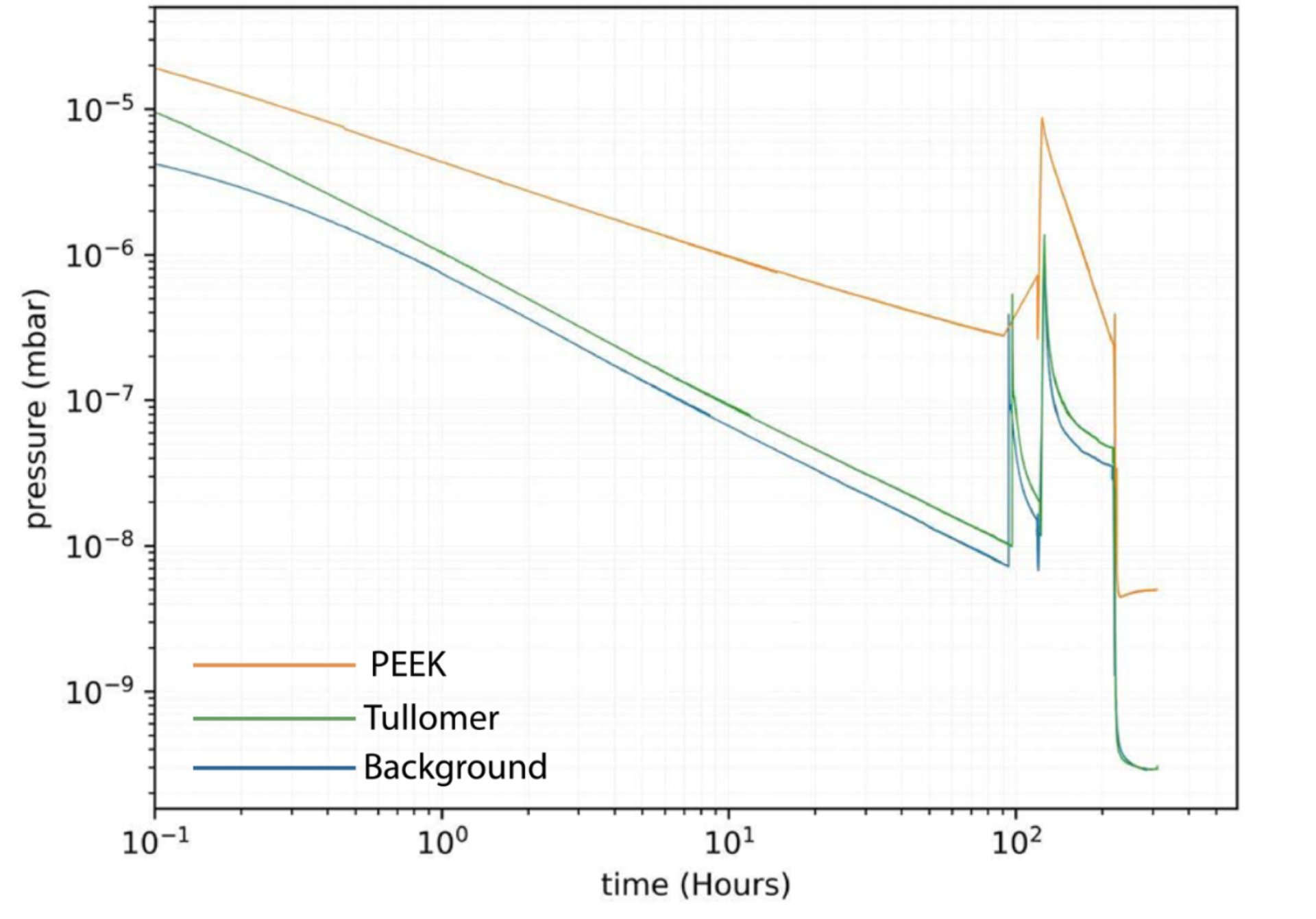
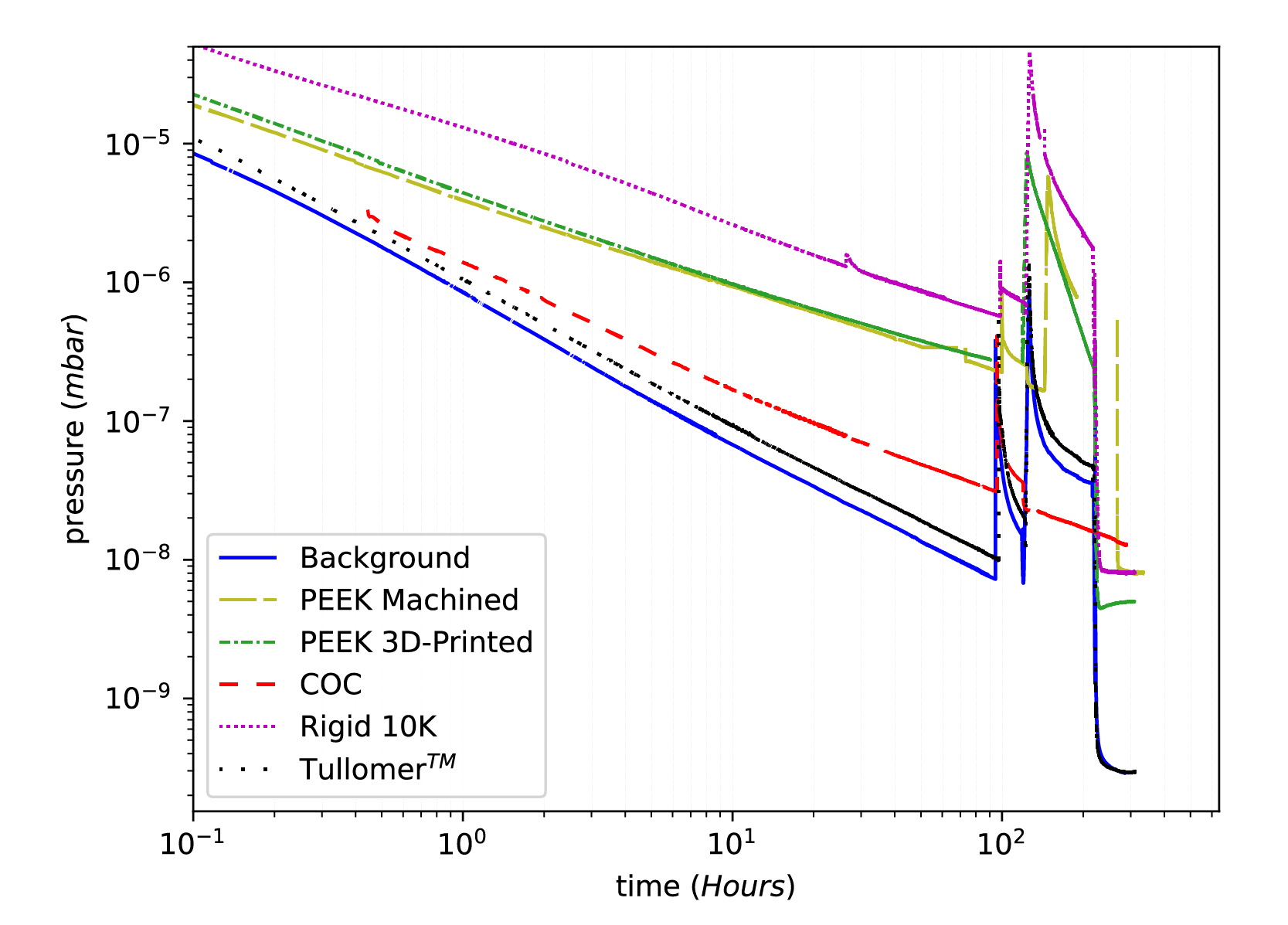
Tullomer filament has been scientifically proven to significantly outperform other materials in minimizing outgassing. In a recent study conducted by Lund University, Tullomer demonstrated an outgassing rate lower than industry-standard PEEK after a standard bakeout process. The results were so impressive that Tullomer reached the system detection limit post-bakeout, making it an ideal choice for engineers and researchers in UHV applications. These groundbreaking findings were presented at the SRI conference in Hamburg, where experts praised Tullomer for its unmatched outgassing performance in vacuum environments. As a result, Tullomer is now considered the top material for applications where maintaining vacuum conditions is critical.

Applications in Aerospace and Semiconductor Manufacturing

The unique formulation of Tullomer filament offers more than just low outgassing. It also provides exceptional strength and thermal stability, making it ideal for high-performance applications in both high-vacuum (HV) and UHV systems. Its low desorption rates ensure that vacuum conditions remain pristine, minimizing contamination risks while ensuring reliable operation over extended periods. Extensively tested and validated by leading experts in vacuum technology, Tullomer is engineered for precision. Whether you’re developing complex components for UHV research or deploying systems in critical environments like aerospace or semiconductor manufacturing, this filament offers unmatched performance, with proven results that set it apart from competitors like PEEK.

Why Tullomer is the Future of UHV-Compatible Filaments?

With the development of advanced filaments like Tullomer, 3D-printed plastics are set to become a reliable choice for UHV applications. While traditional polymers like PEEK and ULTEM have demonstrated solid performance, Tullomer’s revolutionary low-outgassing properties place it ahead of the curve. Its strength, thermal stability, and precision make it an indispensable material for engineers and researchers working in ultra-high vacuum environments. By minimizing outgassing and ensuring high system reliability, Tullomer elevates the standard for vacuum-compatible materials. Whether you’re prototyping or producing critical components, switching to Tullomer offers a new level of performance backed by scientific validation and industry trust.

Tullomer Out Performs All Tested Samples

Tullomer performed significantly better both before and after the bakeout, even reaching the detection limit of our setup for the sample size after the bakeout.

Tullomer vs PEEK

Tullomer filament residual gas analysis results

Tullomer vs all samples

Tullomer filament residual gas analysis results

Download The Full Case Study Results

Lund University’s Study on Outgassing Performance

Evaluation of 3D-Printed Plastics for Ultra-High Vacuum applications: Outgassing, and Residual Gas Analysis

Marketing by
Tullomer Filament

Tullomer: Minimize Outgassing, Maximize Performance