
Categories
3D Printing Engineering

FDM Printing in Architecture, Design, and Traditional Engineering: Dynamism & Ultimaker Shine at Dubai Design Week

FDM Printing in Architecture, Design, and Traditional Engineering: Dynamism & Ultimaker Shine at Dubai Design Week

How FDM Printing is Revolutionizing Architecture and Design

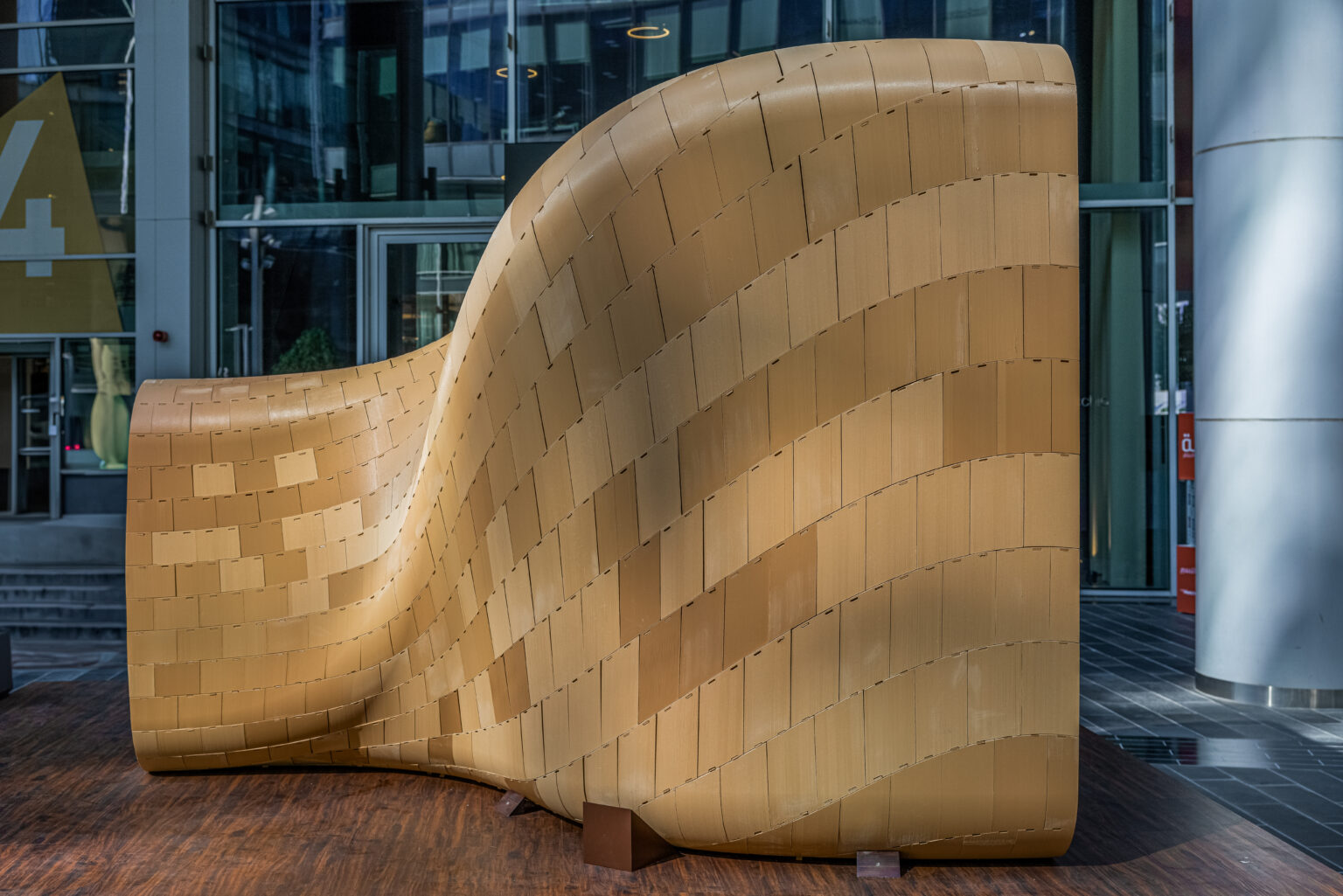
Dubai Design Week, the Middle East’s premier design event served as the global stage for Mitsubishi Estate’s visionary 3D-printed teahouse. This groundbreaking creation seamlessly merged traditional Japanese culture and heritage with FDM 3D printing technology, offering a captivating showcase of architectural innovation. Dynamism played a key role in supporting the 3D printing of teahouse components, which were all done using a wood-based filament. These parts were then shipped to Dubai, where they were seamlessly assembled into the stunning final structure.

Dubai Design Week: A Global Hub for Creativity

Dubai Design Week is renowned for uniting designers from around the world to inspire creativity and foster innovation. The annual event features exhibitions, pop-ups, installations, and talks that engage professionals, media, and design enthusiasts while strengthening Dubai’s reputation as a vibrant design capital.

The 3D-Printed Teahouse: Tradition Meets Innovation

The 3D-printed teahouse stood out as a beacon of innovation at Dubai Design Week. By merging traditional architecture with modern 3D printing, this ambitious project showcased how additive manufacturing can preserve cultural heritage while pushing the boundaries of design and engineering.

Traditional Japanese Engineering Influences

The teahouse design drew heavily from Japanese traditions, particularly the “hozo tsugi” joinery technique. This ancient method involves interlocking wooden joints without nails or screws, a skill-intensive practice that ensures durability and elegance. To recreate this authentically, Polywood—a wood-infused resin filament—was used to replicate the aesthetic of traditional Japanese tea rooms.

Ultimaker’s Role in Precision Printing

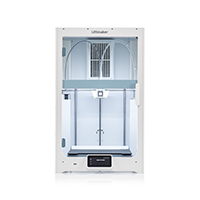
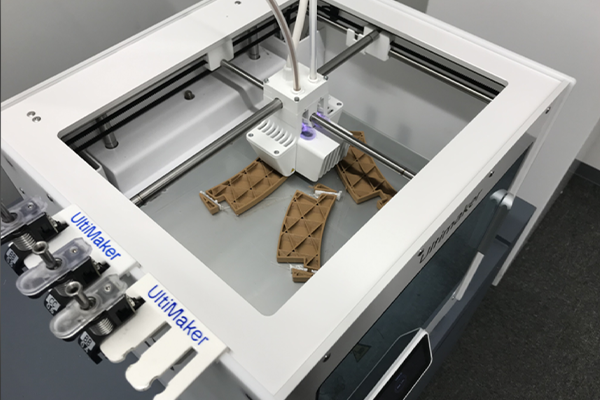
Key to the project’s success was Ultimaker’s S series 3D printers. Using digital renderings, the intricate teahouse design was divided into 988 individual parts, including 1,938 meticulously crafted “hozo” joints. The Ultimaker printers delivered unparalleled precision, completing approximately 4,000 hours of printing to bring the project to life. The printers’ versatility enabled the seamless integration of traditional engineering with advanced FDM printing techniques.

The Significance of the 3D-Printed Teahouse

The teahouse was more than an architectural marvel—it symbolized the harmonious blending of tradition and technology. Leveraging FDM printing, this demonstrated the transformative potential of additive manufacturing to preserve and reimagine cultural heritage. The teahouse captivated a global audience, underscoring the possibilities of 3D printing in architecture, design, and engineering.

Bridging Heritage and Innovation

Dynamism’s contribution to Dubai Design Week highlighted the growing role of 3D printing in modern design. Projects like the 3D-printed teahouse not only showcase the technological capabilities of FDM printing but also emphasize its power to honor and elevate tradition. As a leader in advanced 3D printing solutions, Dynamism continues to inspire by merging the past with the future through innovative designs.

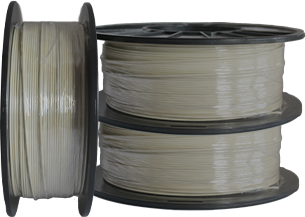
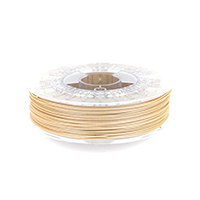
ColorFabb 2.85mm Woodfill – 600g
ColorFabb 2.85mm Woodfill - 600g

Ultimaker S Series

Ultimaker S7
Categories
3D Printing Aerospace Education Engineering Healthcare Manufacturing

Tullomer Filament: Breakthrough Findings on Low-Outgassing for Ultra-High Vacuum Applications

Tullomer: The Ideal Low-Outgassing Filament for UHV Applications

With its remarkably low outgassing properties, Tullomer outperforms standard materials like PEEK, making it ideal for UHV applications. Extensive testing, including residual gas analysis, has proven its reliability in maintaining pristine vacuum conditions, making it a top choice for industries like aerospace and semiconductor manufacturing.

When designing components for ultra-high vacuum (UHV) applications, the choice of materials is crucial. Metals and ceramics have traditionally been favored due to their low outgassing properties, but recent advances in 3D printing are bringing plastics into the conversation. Evaluating these 3D-printed materials, particularly in terms of outgassing and residual gas analysis (RGA), is essential to ensuring they can maintain the integrity of a UHV environment.

Outgassing Challenges in UHV Applications

Outgassing refers to releasing trapped gasses from a material when exposed to vacuum conditions. 3D-printed plastics often present challenges due to the nature of polymer absorption and their manufacturing process, which can leave microscopic voids and unreacted compounds. For 3D-printed plastics to be viable for UHV applications, their outgassing properties must be minimized. Common strategies for reducing outgassing include baking components in a vacuum oven and applying specialized surface coatings.

Residual Gas Analysis and Testing Results

Residual Gas Analysis is a critical process used to evaluate the suitability of materials for UHV applications. By measuring the gases released from a material in a vacuum, RGA allows engineers to detect contaminants and the material’s overall outgassing characteristics.  In tests, Tullomer filament has shown a significantly lower emission of residual gases, making it a top choice for environments where even trace contaminants can cause issues.

Tullomer’s Superior Outgassing Performance

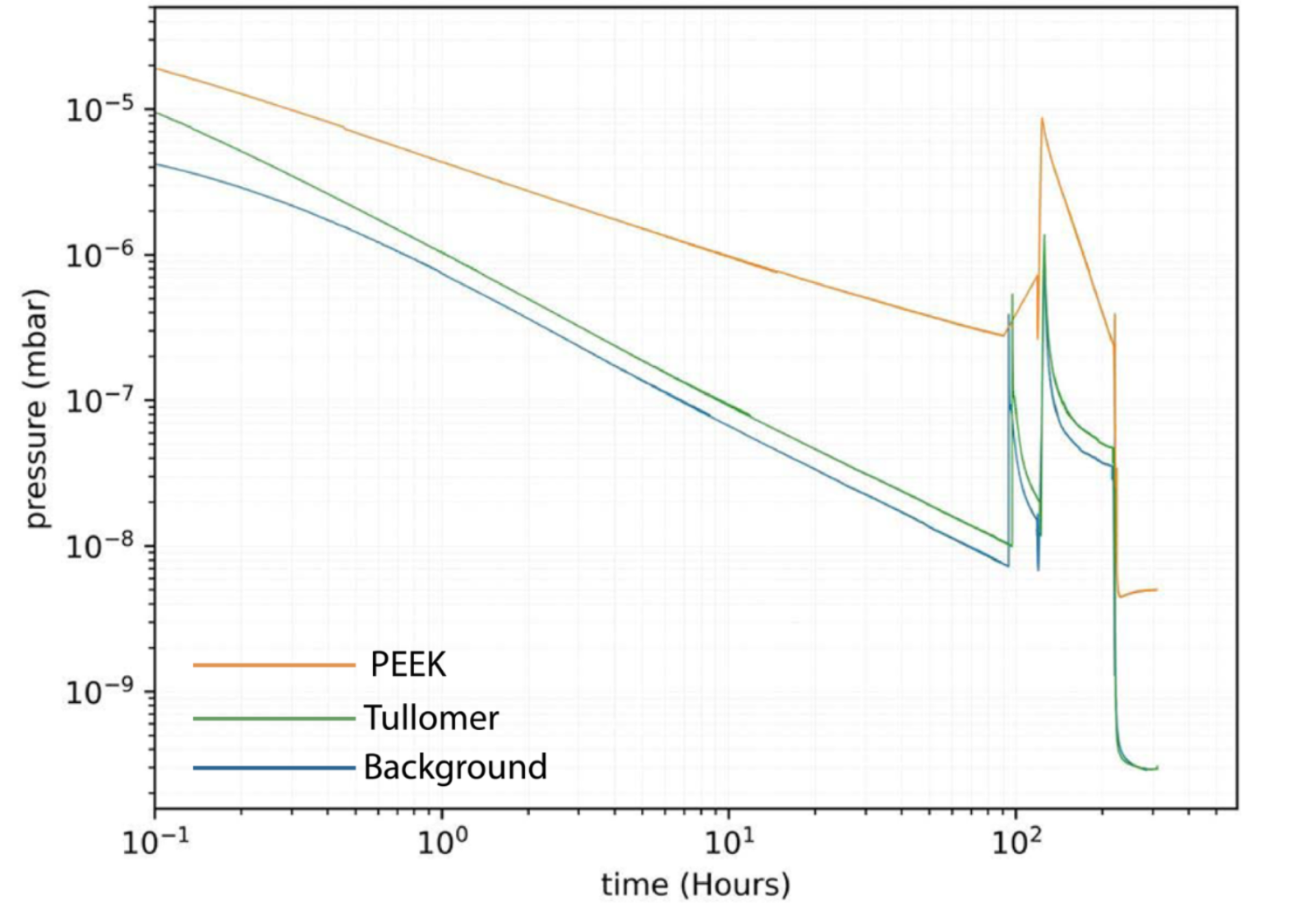
Tullomer filament has been scientifically proven to significantly outperform other materials in minimizing outgassing. In a recent study conducted by Lund University, Tullomer demonstrated an outgassing rate lower than industry-standard PEEK after a standard bakeout process. The results were so impressive that Tullomer reached the system detection limit post-bakeout, making it an ideal choice for engineers and researchers in UHV applications. These groundbreaking findings were presented at the SRI conference in Hamburg, where experts praised Tullomer for its unmatched outgassing performance in vacuum environments. As a result, Tullomer is now considered the top material for applications where maintaining vacuum conditions is critical.

Applications in Aerospace and Semiconductor Manufacturing

The unique formulation of Tullomer filament offers more than just low outgassing. It also provides exceptional strength and thermal stability, making it ideal for high-performance applications in both high-vacuum (HV) and UHV systems. Its low desorption rates ensure that vacuum conditions remain pristine, minimizing contamination risks while ensuring reliable operation over extended periods. Extensively tested and validated by leading experts in vacuum technology, Tullomer is engineered for precision. Whether you’re developing complex components for UHV research or deploying systems in critical environments like aerospace or semiconductor manufacturing, this filament offers unmatched performance, with proven results that set it apart from competitors like PEEK.

Why Tullomer is the Future of UHV-Compatible Filaments?

With the development of advanced filaments like Tullomer, 3D-printed plastics are set to become a reliable choice for UHV applications. While traditional polymers like PEEK and ULTEM have demonstrated solid performance, Tullomer’s revolutionary low-outgassing properties place it ahead of the curve. Its strength, thermal stability, and precision make it an indispensable material for engineers and researchers working in ultra-high vacuum environments. By minimizing outgassing and ensuring high system reliability, Tullomer elevates the standard for vacuum-compatible materials. Whether you’re prototyping or producing critical components, switching to Tullomer offers a new level of performance backed by scientific validation and industry trust.

Tullomer Out Performs All Tested Samples

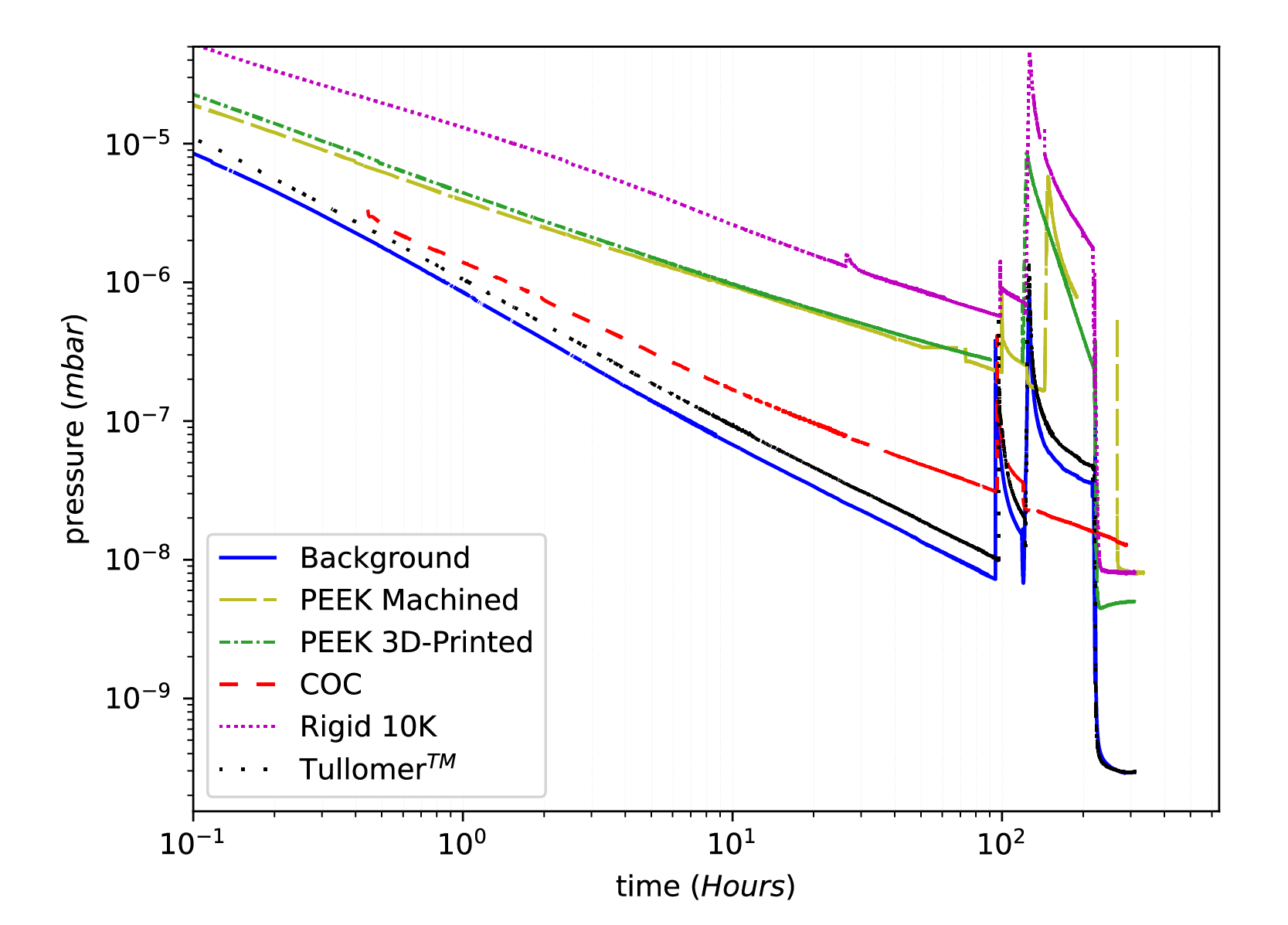
Tullomer performed significantly better both before and after the bakeout, even reaching the detection limit of our setup for the sample size after the bakeout.

Tullomer vs PEEK

Tullomer filament residual gas analysis results

Tullomer vs all samples

Tullomer filament residual gas analysis results

Download The Full Case Study Results

Lund University’s Study on Outgassing Performance

Evaluation of 3D-Printed Plastics for Ultra-High Vacuum applications: Outgassing, and Residual Gas Analysis

Marketing by
Tullomer Filament

Tullomer: Minimize Outgassing, Maximize Performance